














 Abel Ferrara
Reno Miller
Abel Ferrara
Reno Miller
Soundtrack
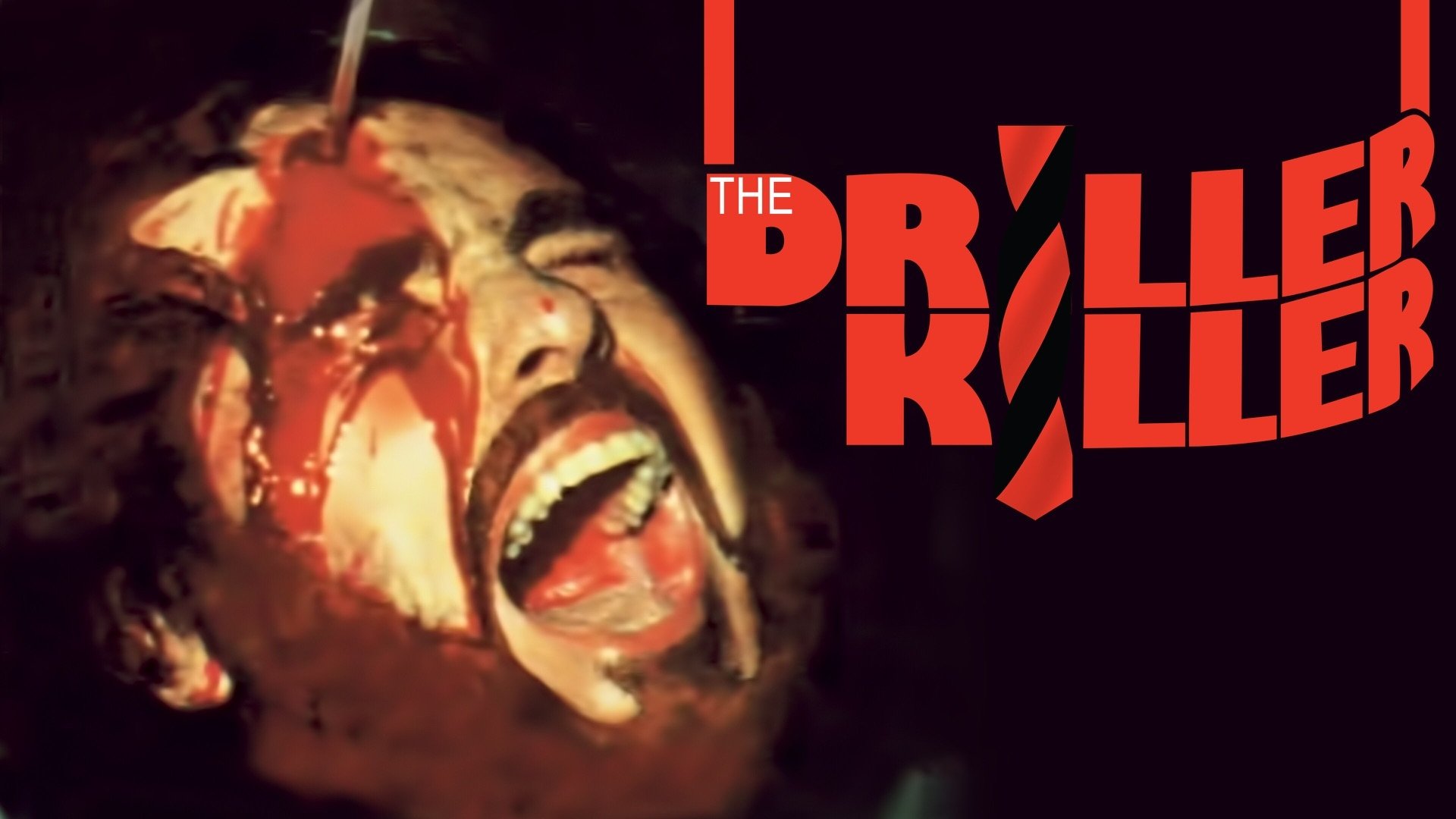
The Driller Killer
Director
Writers
Genres
Overview
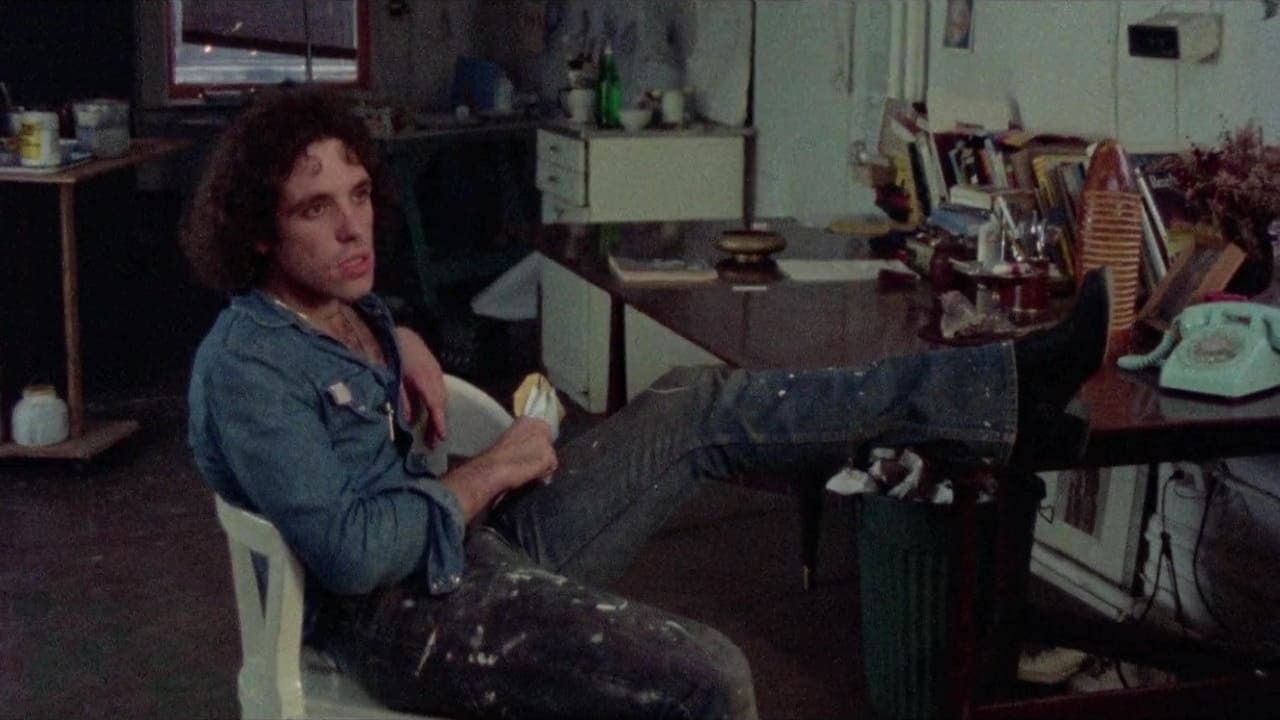
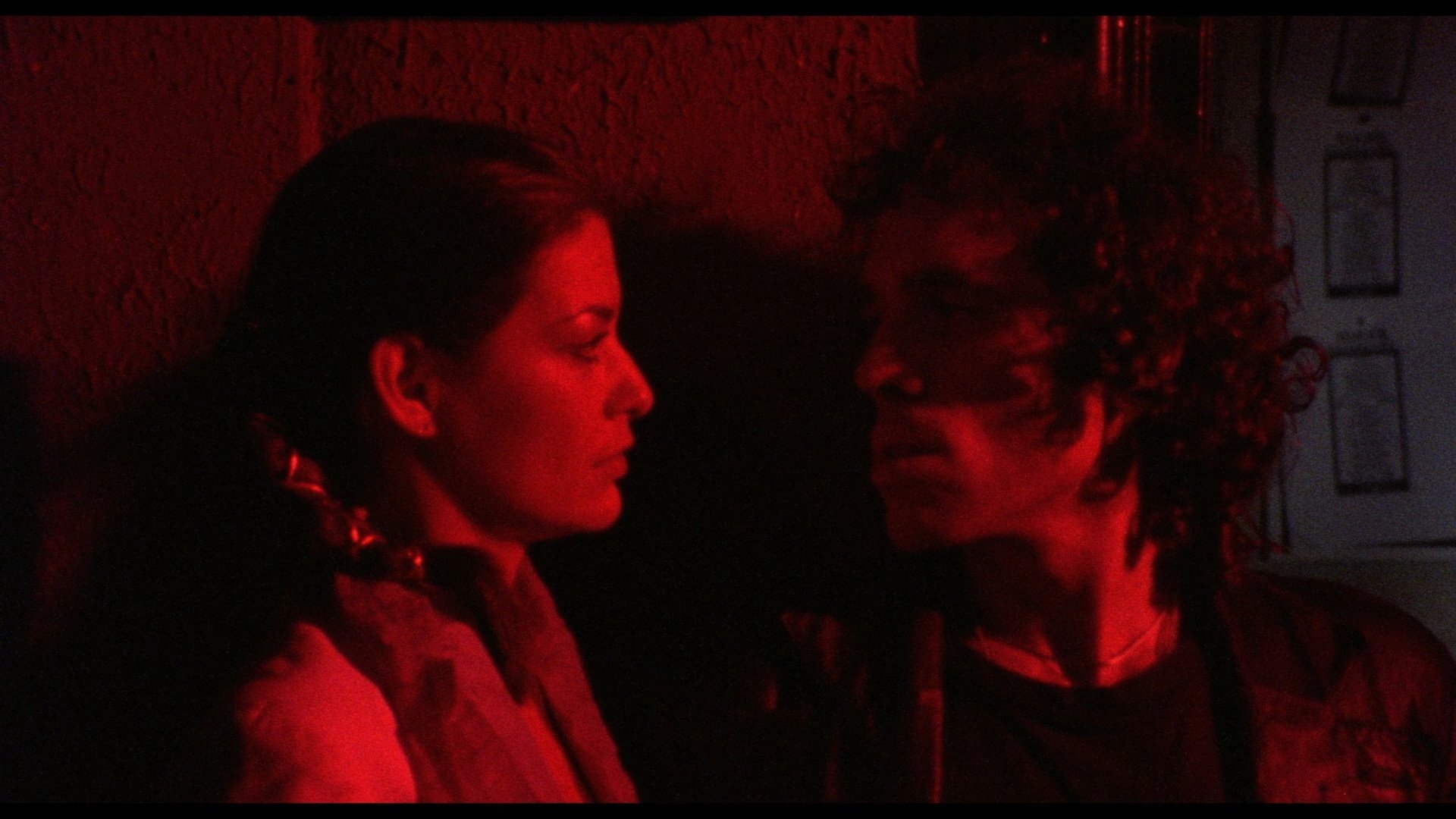
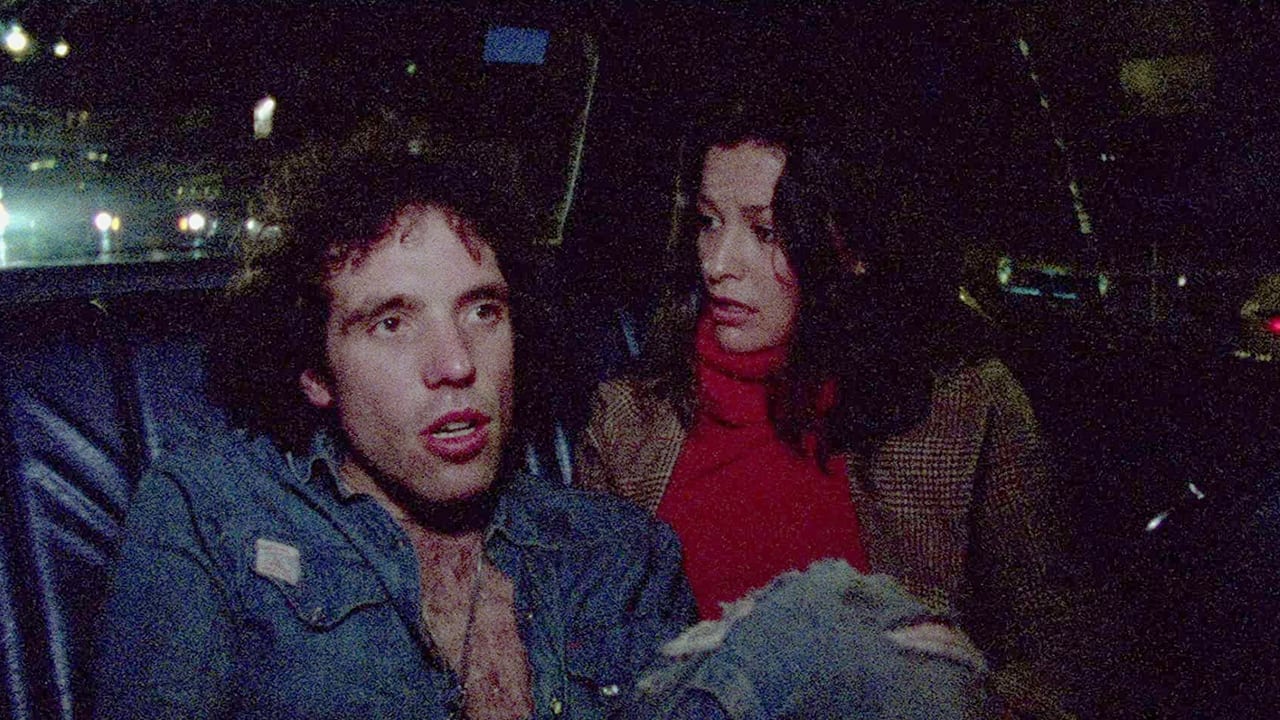
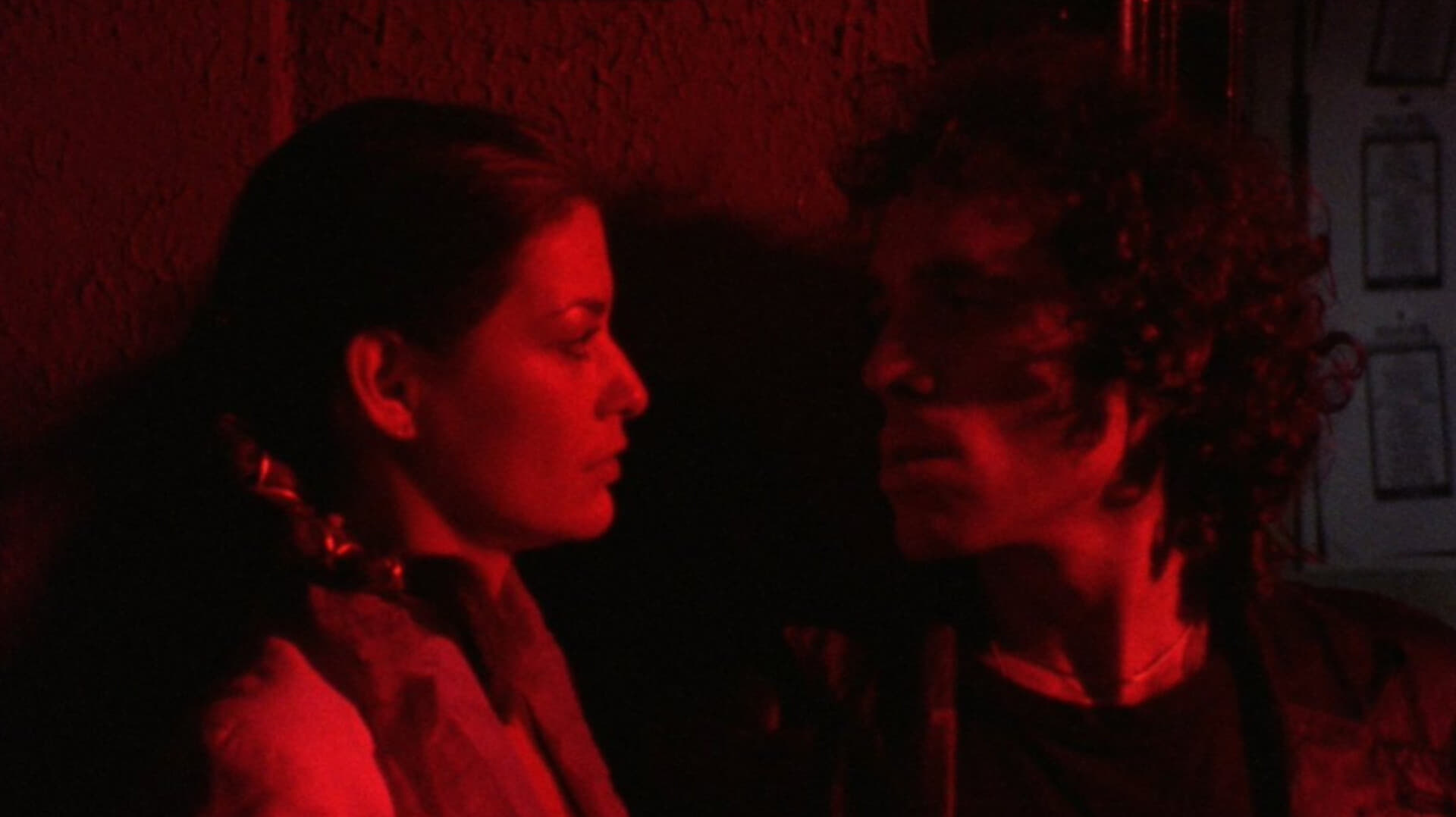
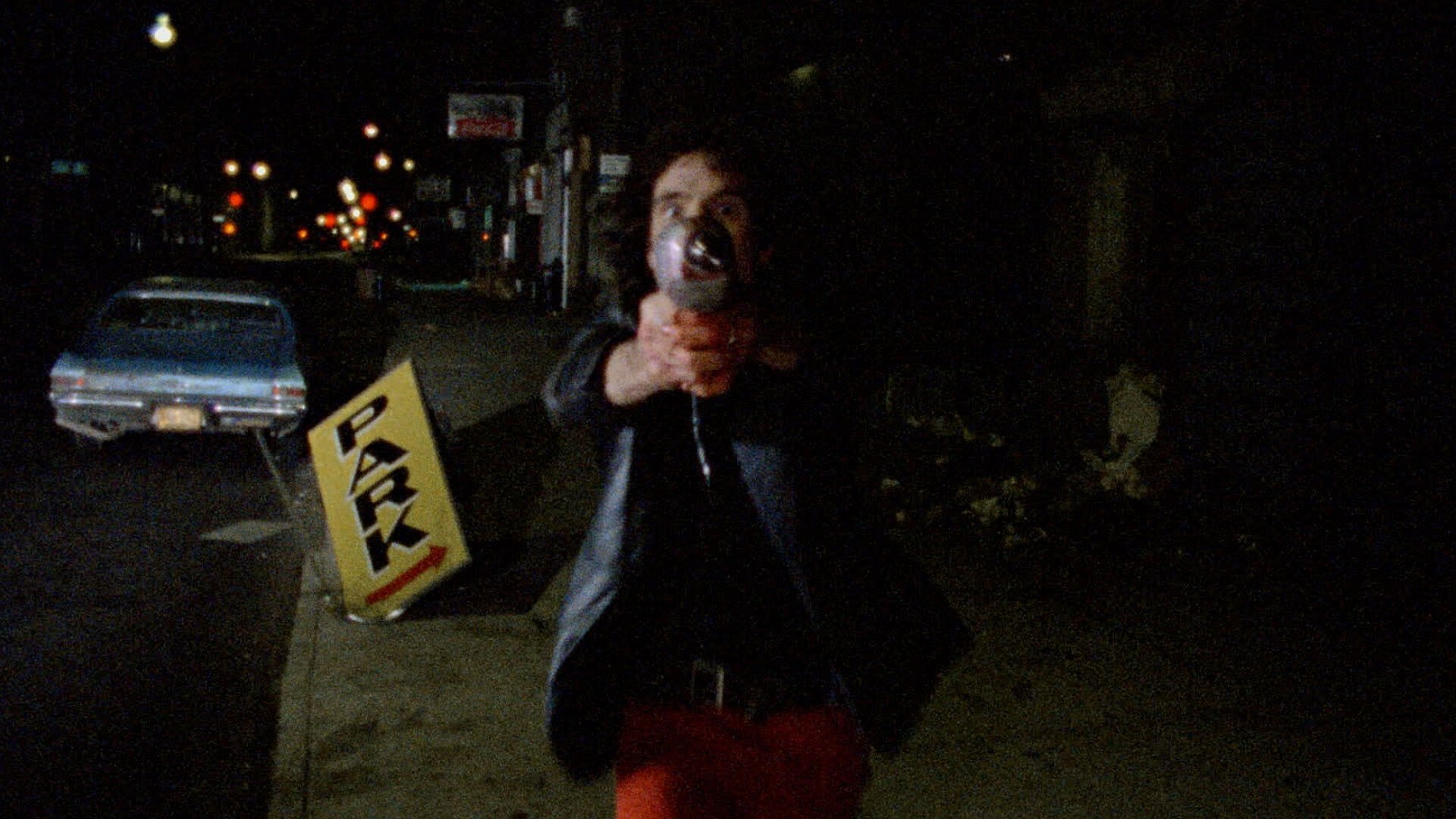
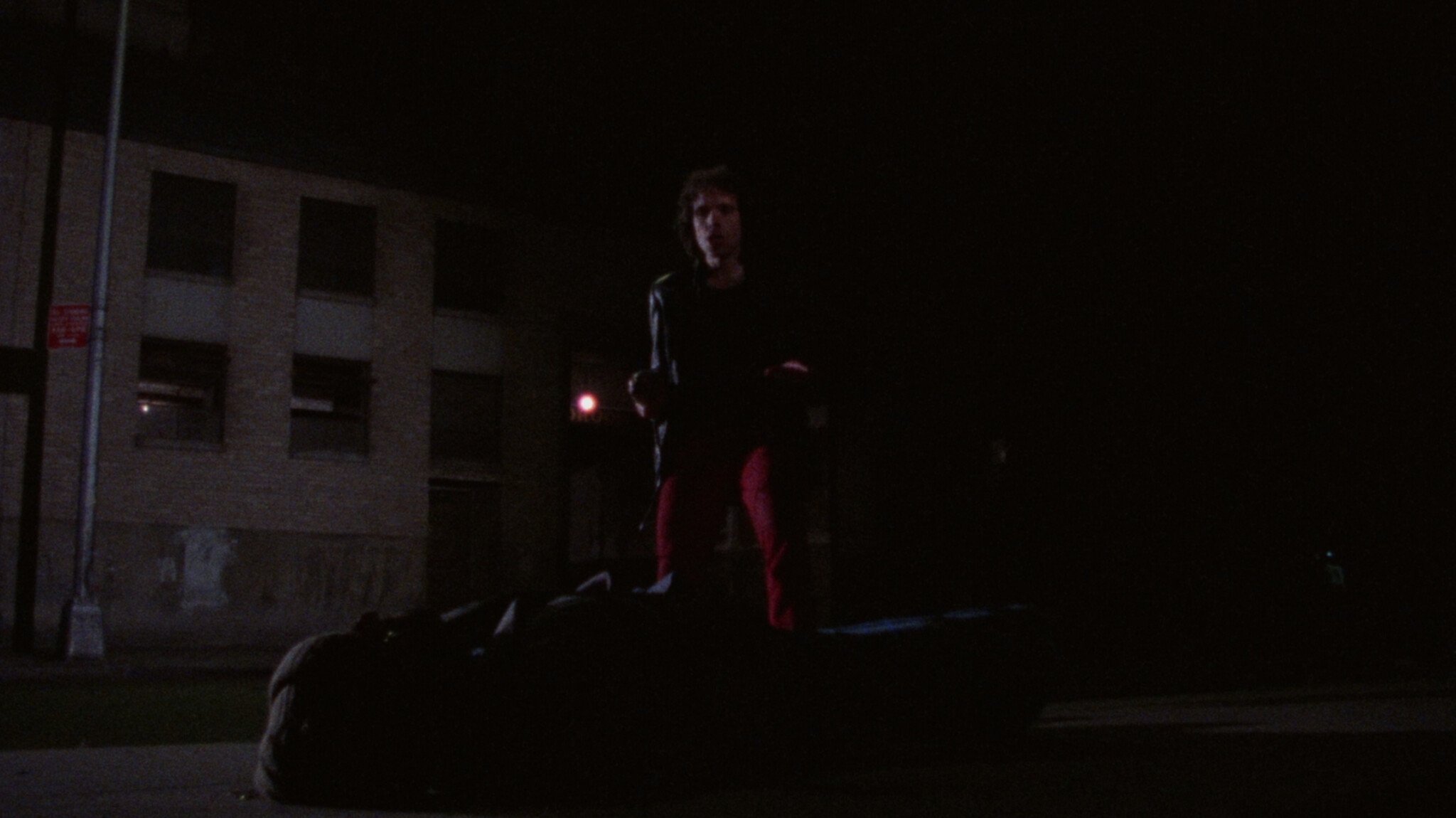
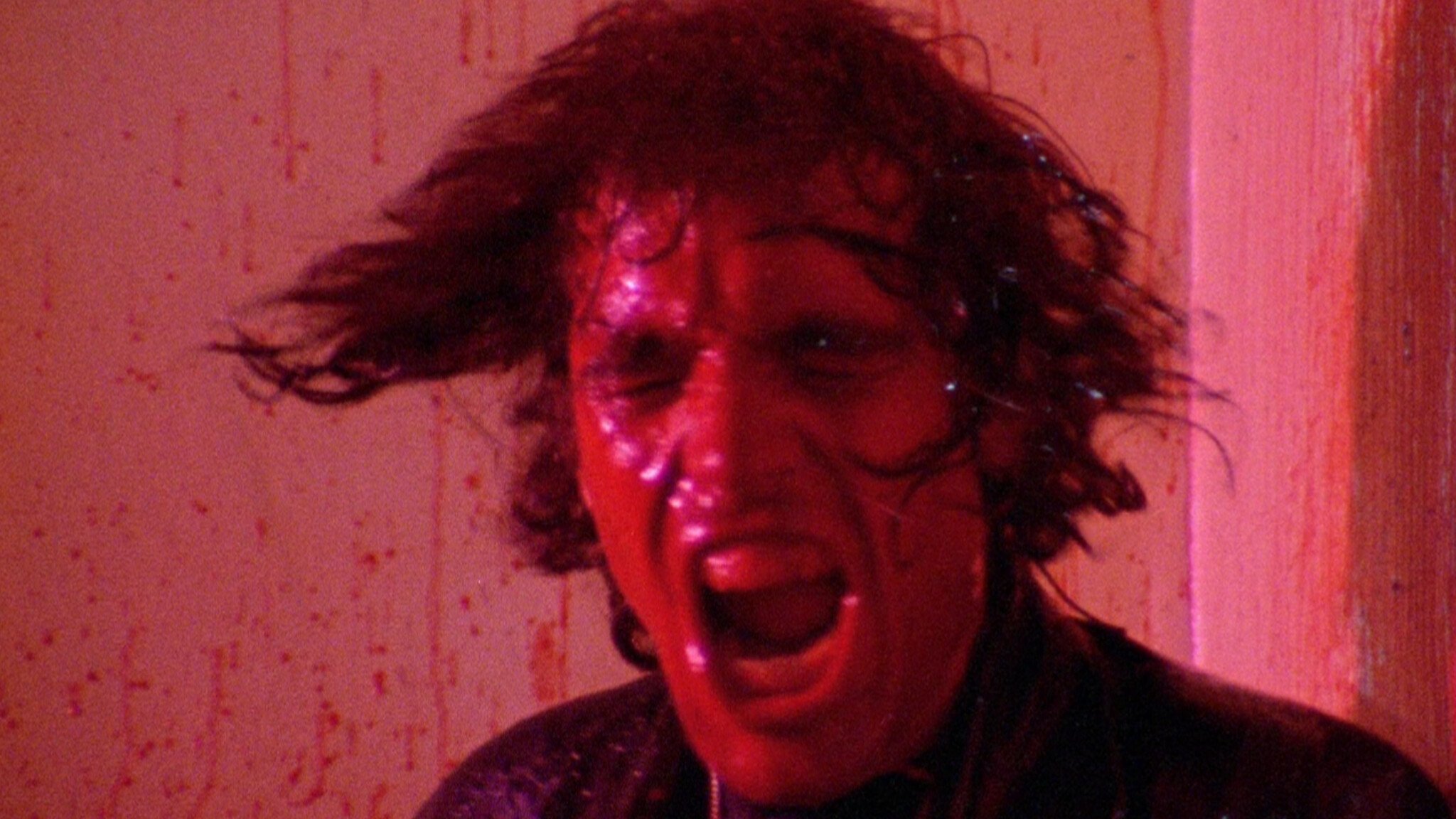
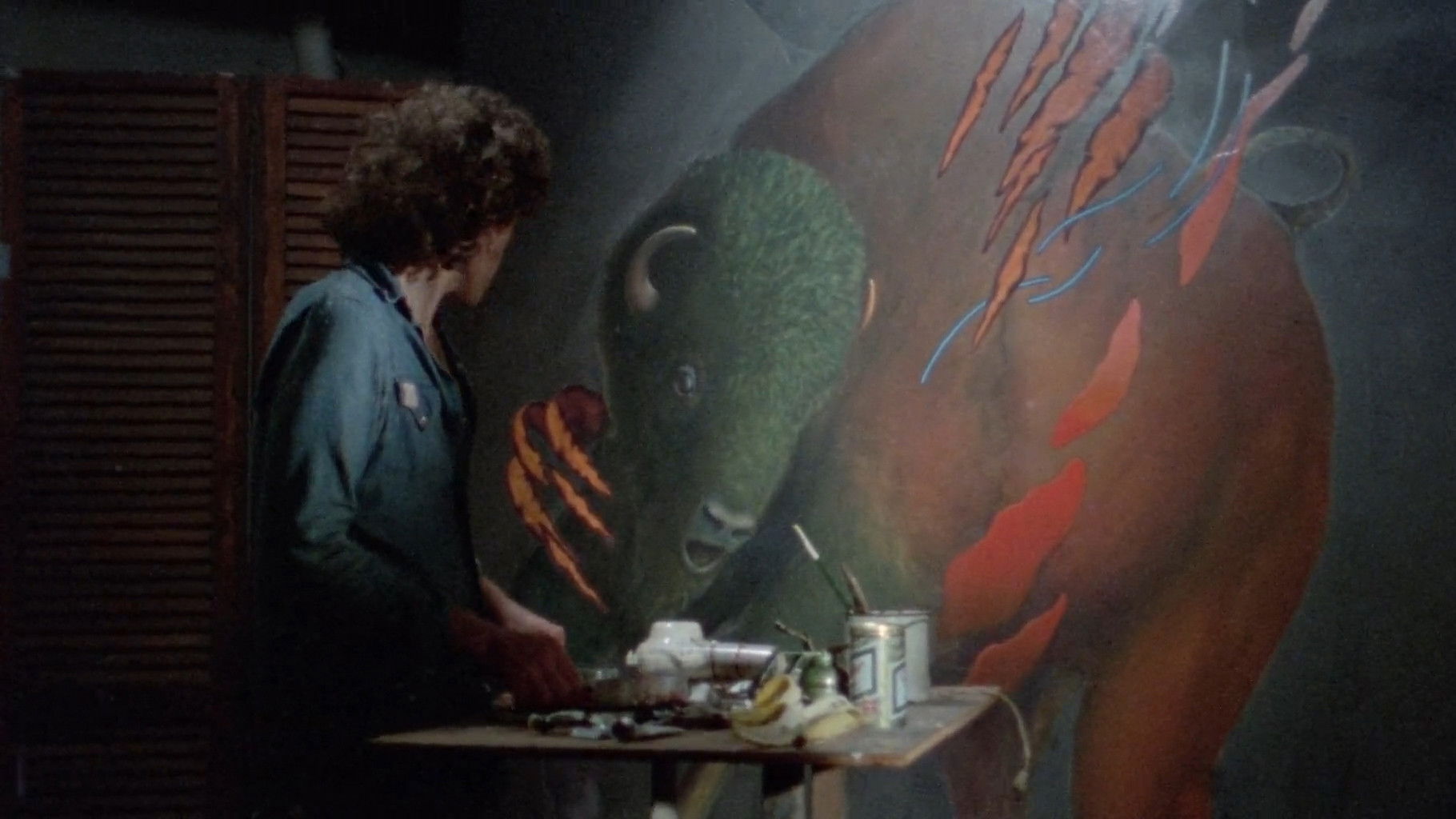
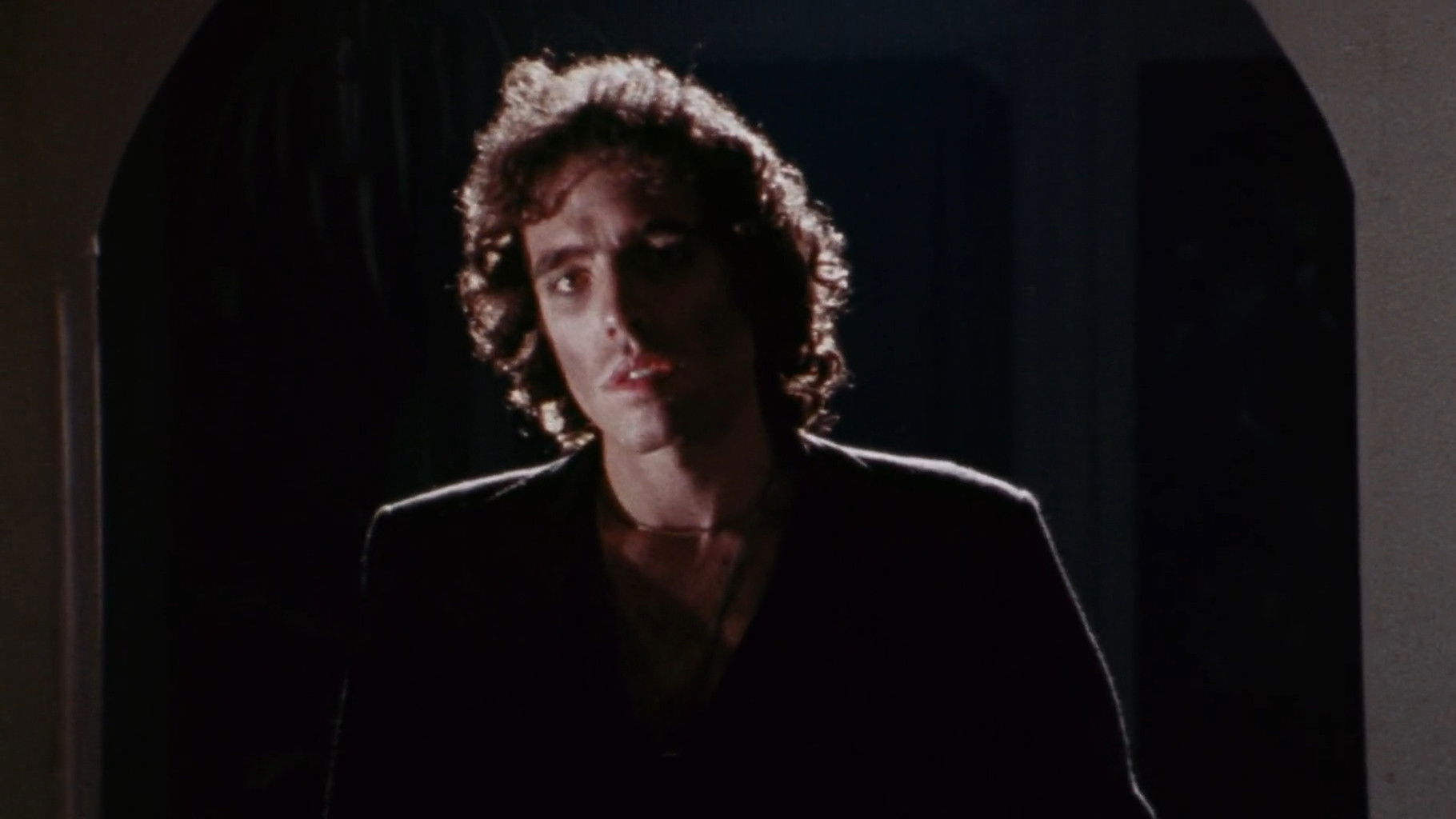
Abel Ferrara’s feature debut, The Driller Killer, is far more than a sleazy, low-budget slasher film; it is a visceral, sweat-and-nicotine-soaked time capsule of downtown Manhattan’s late-1970s underground art scene. The story tracks Reno Miller, an impoverished, struggling painter living in a squalid loft who slowly loses his mind and goes on a murderous rampage with a portable power drill. Reno’s descent into madness is directly driven by an auditory assault. The primary catalyst for his breakdown is a loud, aggressive punk band rehearsing directly underneath his floorboards day and night. Ferrara utilizes a harsh, intrusive audio mix where the relentless, repetitive thump of bass, screeching guitar feedback, and screaming vocals drown out dialogue, perfectly mimicking the acoustic claustrophobia and raw urban paranoia that breaks Reno's psyche.
The Tony Coca-Cola and The Roosters Hijack
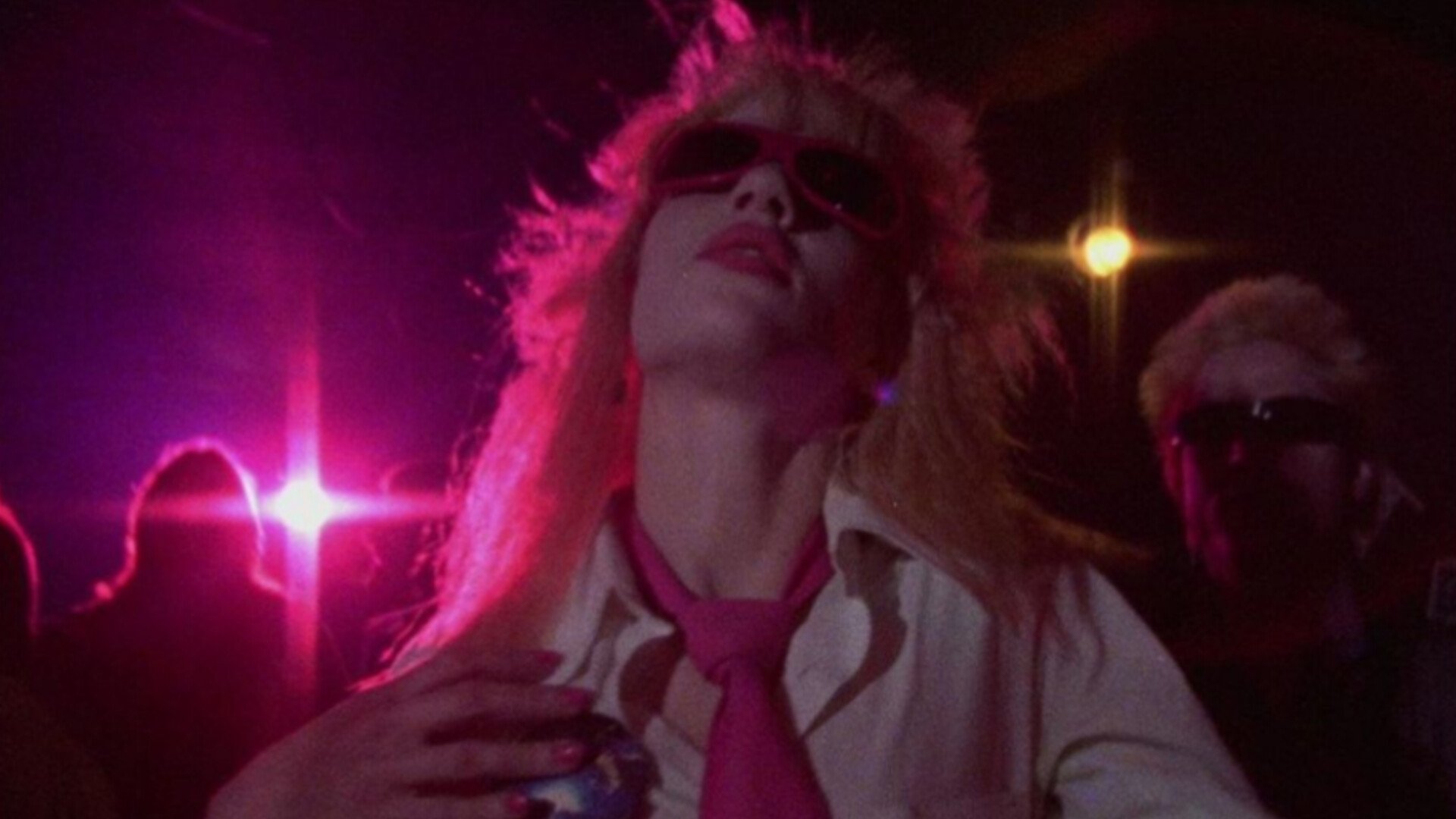
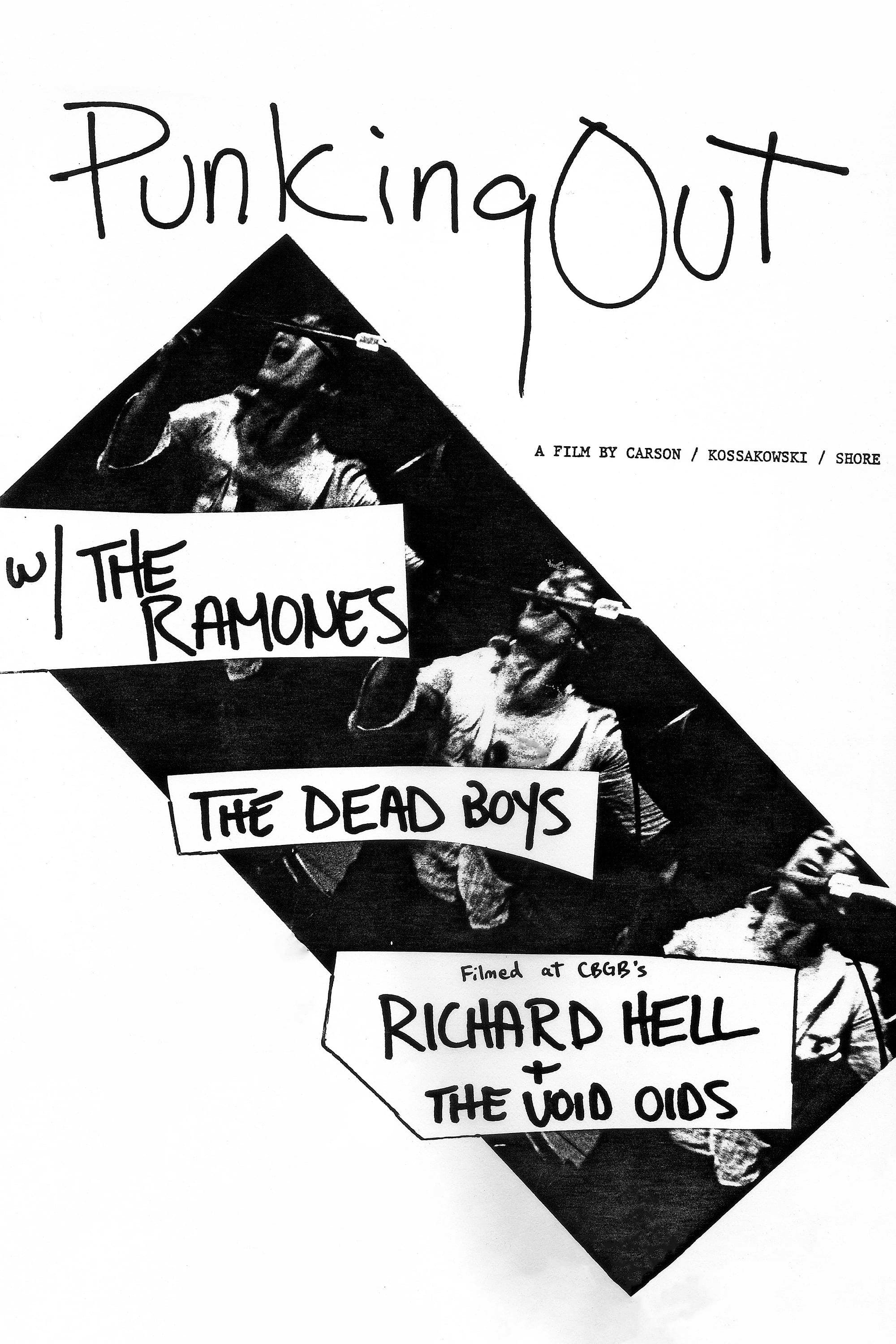
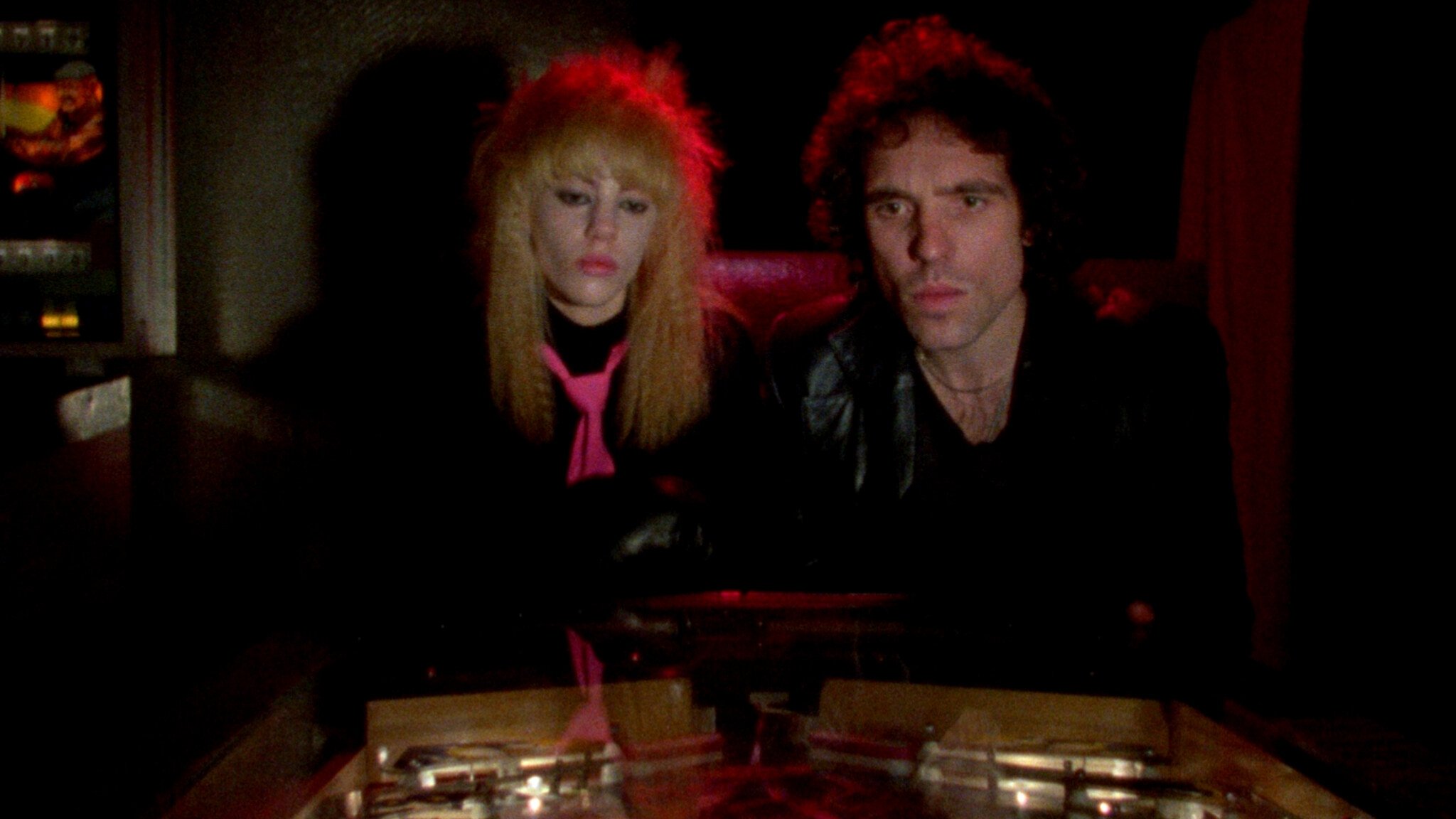
The band driving our protagonist insane isn't a group of Hollywood union extras; they are a real-world, foundational piece of the late-70s NYC underground music scene. Playing the fictional band "The Roosters" on screen is Tony Coca-Cola and The Roosters, led by charismatic frontman and guitarist D.A. Metrov (who also designed the iconic painting featured in the film). Instead of overdubbing clean studio tracks in post-production, Ferrara captured the band playing live right on the gritty apartment sets and inside actual, dark Bowery-style dive clubs. Their unpolished, driving garage-punk anthems—like "Grandma's House"—drip with the exact same frantic, raw energy that was bouncing off the walls of CBGB and Max's Kansas City at the time. The raw, live tracking captures the bleed of the amplifiers and the natural acoustics of a cramped New York loft, grounding the entire horror movie in an undeniable subcultural reality.
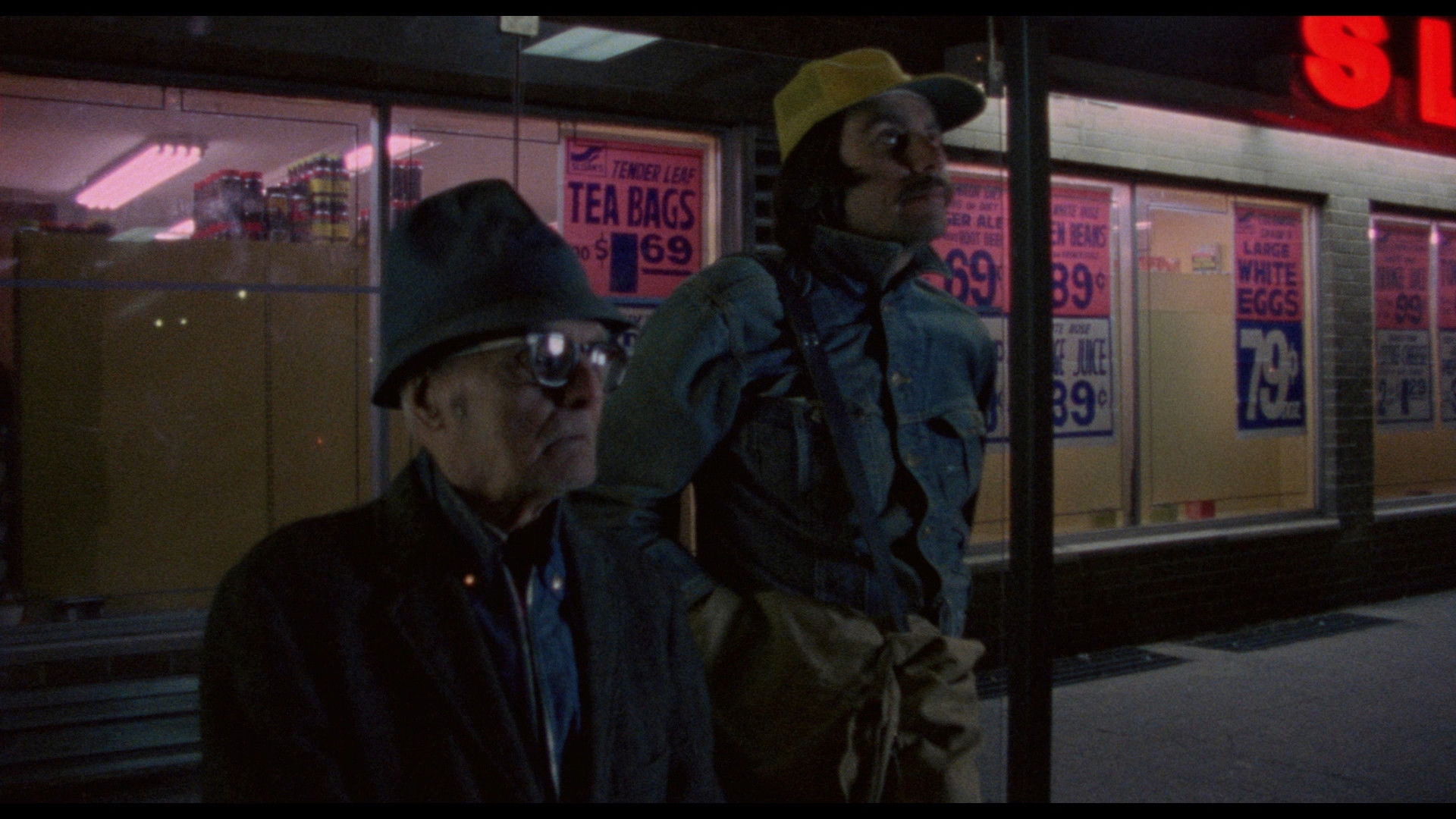
The sound design of The Driller Killer is beautifully chaotic and deeply avant-garde. The non-diegetic score was composed by Joe Delia, a longtime collaborator of Ferrara's, who blended classical piano motifs with buzzing, high-frequency electronic drones that mimic the grating, mechanical whine of Reno's killer power drill. Because the film was shot on 16mm over a period of nearly two years with almost no budget, the ambient soundscapes are incredibly authentic. The microphones constantly capture the genuine, unscripted background audio of 1979 New York City—screaming sirens, rumbling subway cars, heavy traffic, and the distant chatter of the streets, blending the boundaries between the film's musical score and the industrial noise of the city itself.
Because of the film’s ultra-low-budget indie origins and its eventual placement on the infamous UK "Video Nasty" banned list, an official commercial soundtrack LP was never pressed in 1979. The music and live concert cuts exist entirely within the movie's original audio mix, making vintage VHS and modern Blu-ray restoration prints highly valued by punk historians seeking to preserve Tony Coca-Cola’s performances. The essential sonic tags for this database entry are NYC Punk, No Wave, Garage Rock, Bowery Underground, and Industrial Noise.
The absolute standout audio scene is the extended sequence where Reno is trying to sleep, but the camera cuts rhythmically between his sweating face and The Roosters downstairs blasting through a manic, feedback-heavy rehearsal session. The audio is intentionally pushed into red-line distortion, turning the band's driving rock-and-roll into a weapon of psychological torture that perfectly frames the dark, aggressive, and unpolished spirit of the era.
Trailer
Cast
Abel Ferrara
Reno Miller
 Carolyn Marz
Carol Slaughter
Baybi Day
Pamela
Harry Schultz
Dalton Briggs
Alan Wynroth
Al the Landlord
Maria Helhoski
The Nun
Carolyn Marz
Carol Slaughter
Baybi Day
Pamela
Harry Schultz
Dalton Briggs
Alan Wynroth
Al the Landlord
Maria Helhoski
The Nun
 James O'Hara
Man in Church
Richard Howorth
Stephen - Carol's Husband
Louis Mascolo
Knife Victim
James O'Hara
Man in Church
Richard Howorth
Stephen - Carol's Husband
Louis Mascolo
Knife Victim
Media