




 Hazel O'Connor
Kate
Hazel O'Connor
Kate
Soundtrack
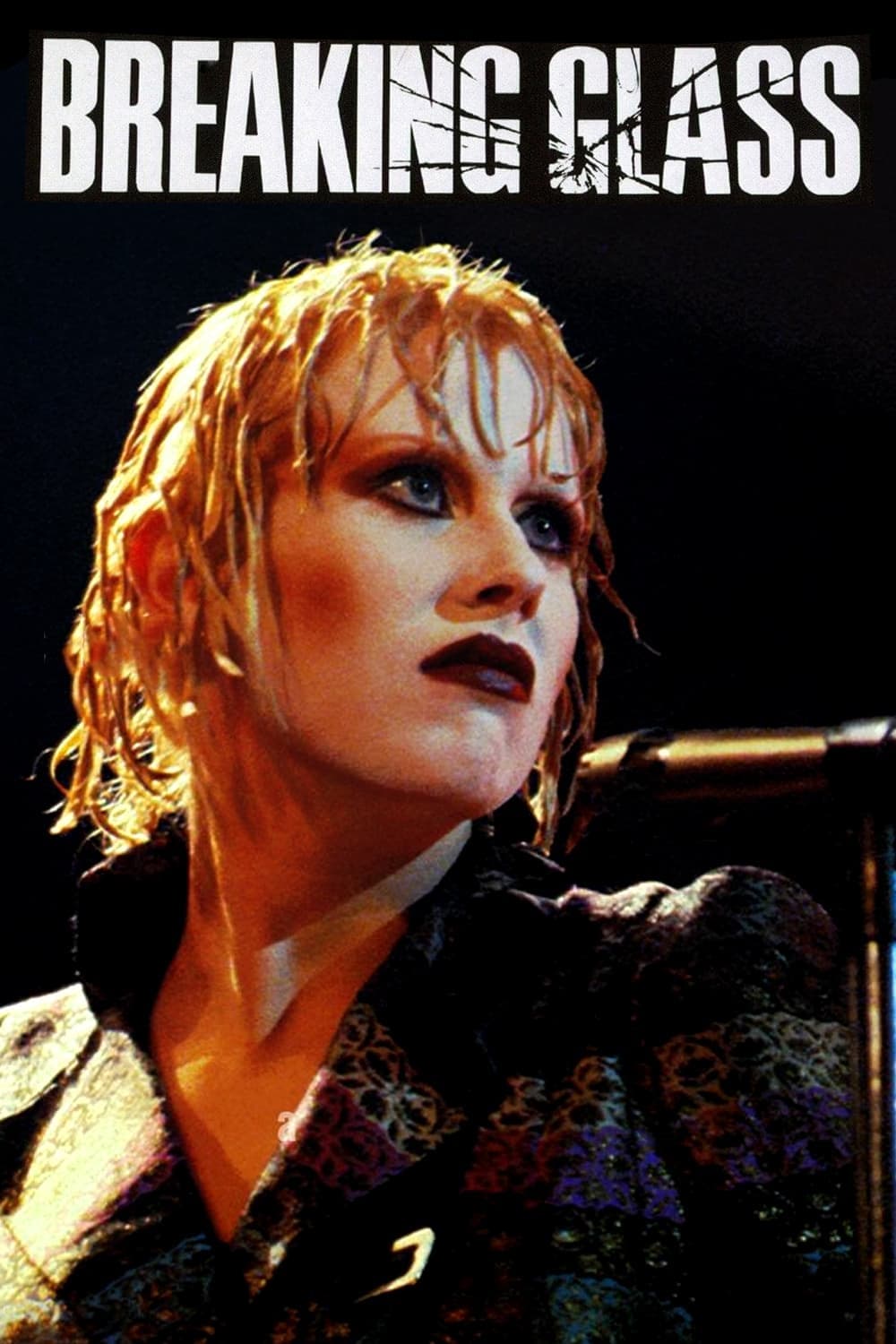
Breaking Glass
Overview
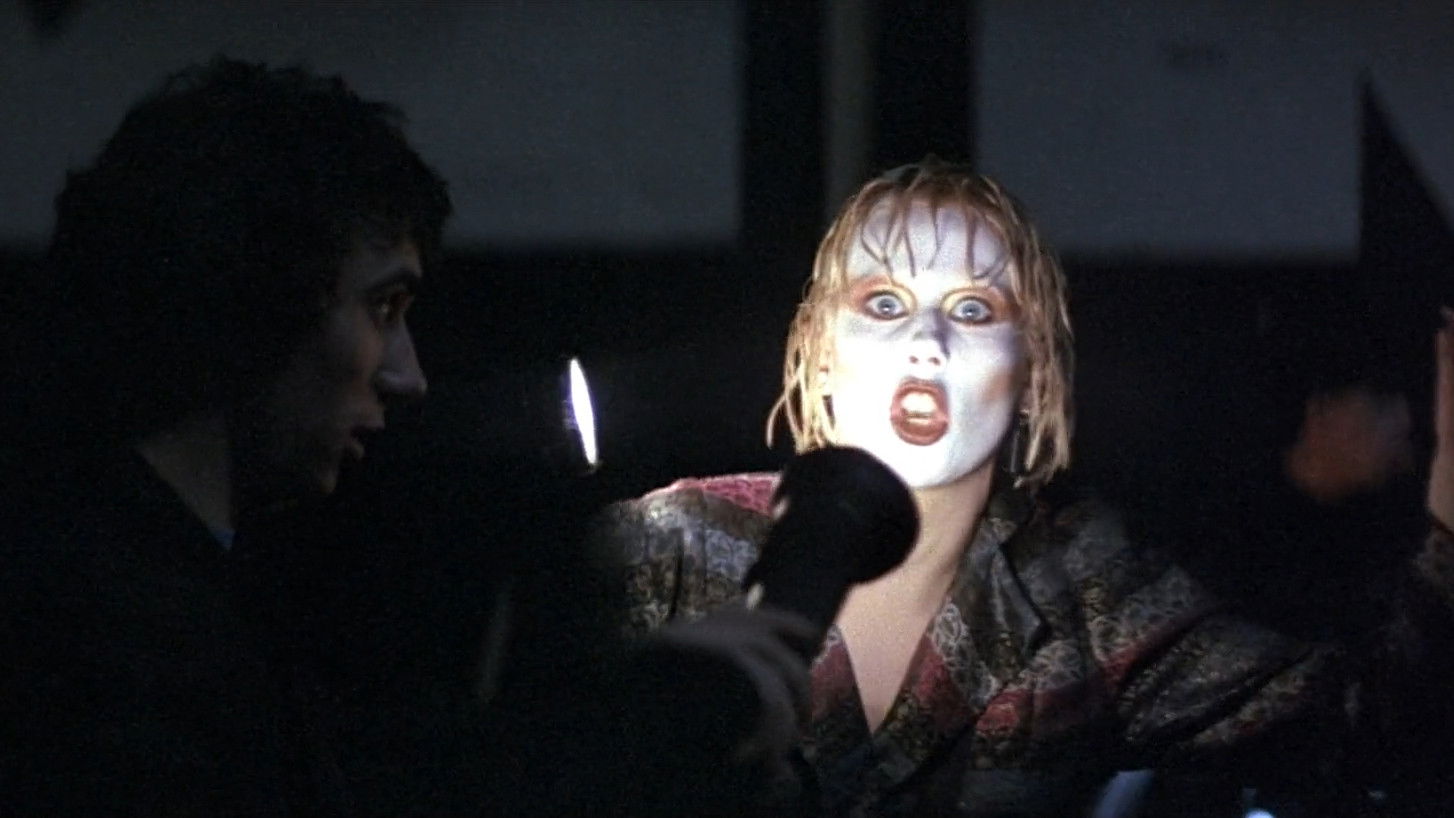
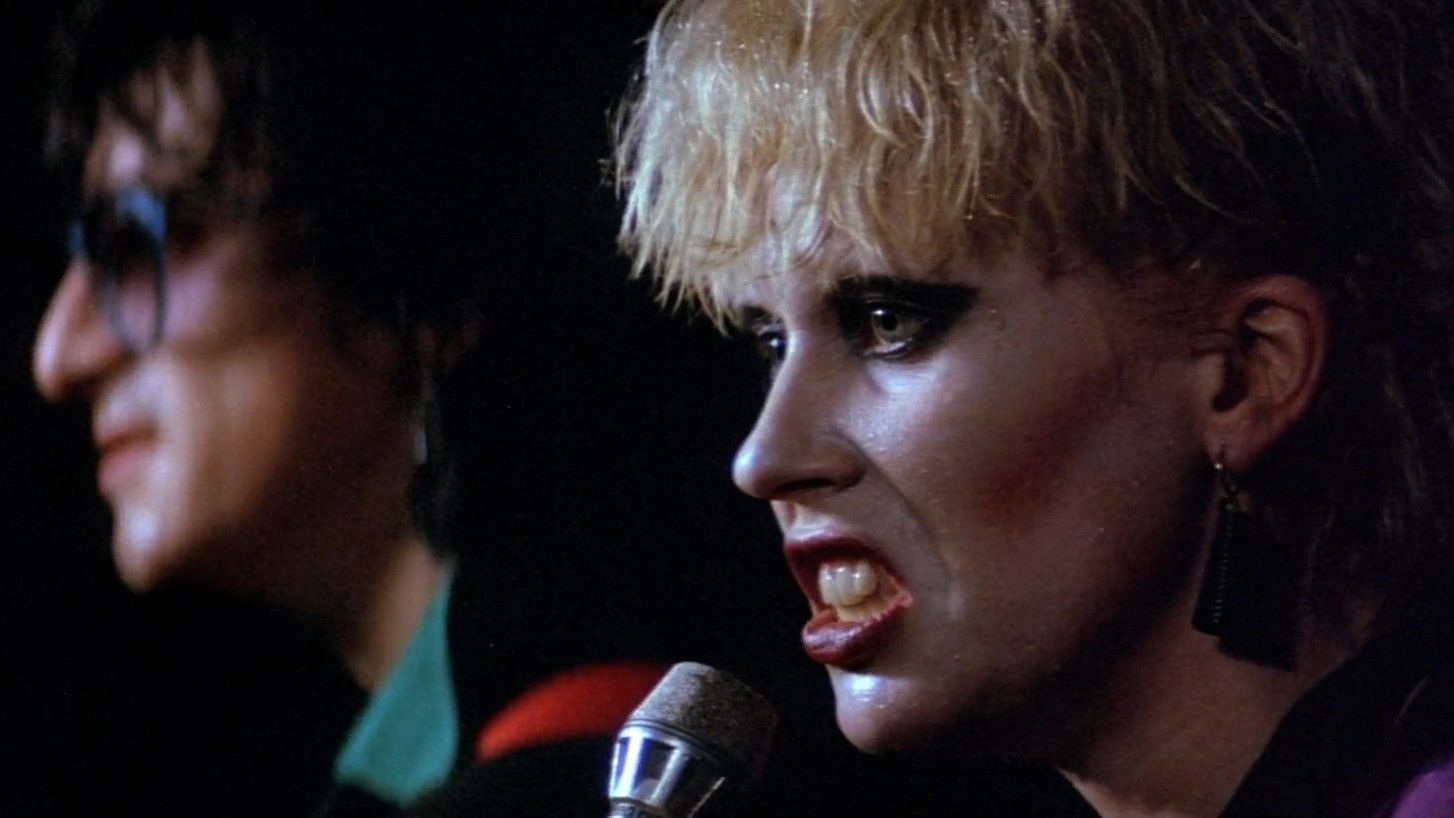
Brian Gibson’s Breaking Glass acts as a fantastic, cautionary time capsule documenting the exact moment the British punk explosion of 1977 decayed into the highly stylized, synthesized new wave era of 1980. The narrative tracks Kate, an idealistic, fiercely independent singer-songwriter who forms a band, climbs the ranks of the London underground, and is systematically broken down by sleazy managers, drug dependency, and corporate sterilization. Sonically, the film mirrors her psychological descent. It moves from aggressive, politically charged pub-rock jams driven by aggressive saxophone and distorted guitars into a cold, clinical, over-produced electronic pop landscape that strips away her humanity.
Hazel O'Connor
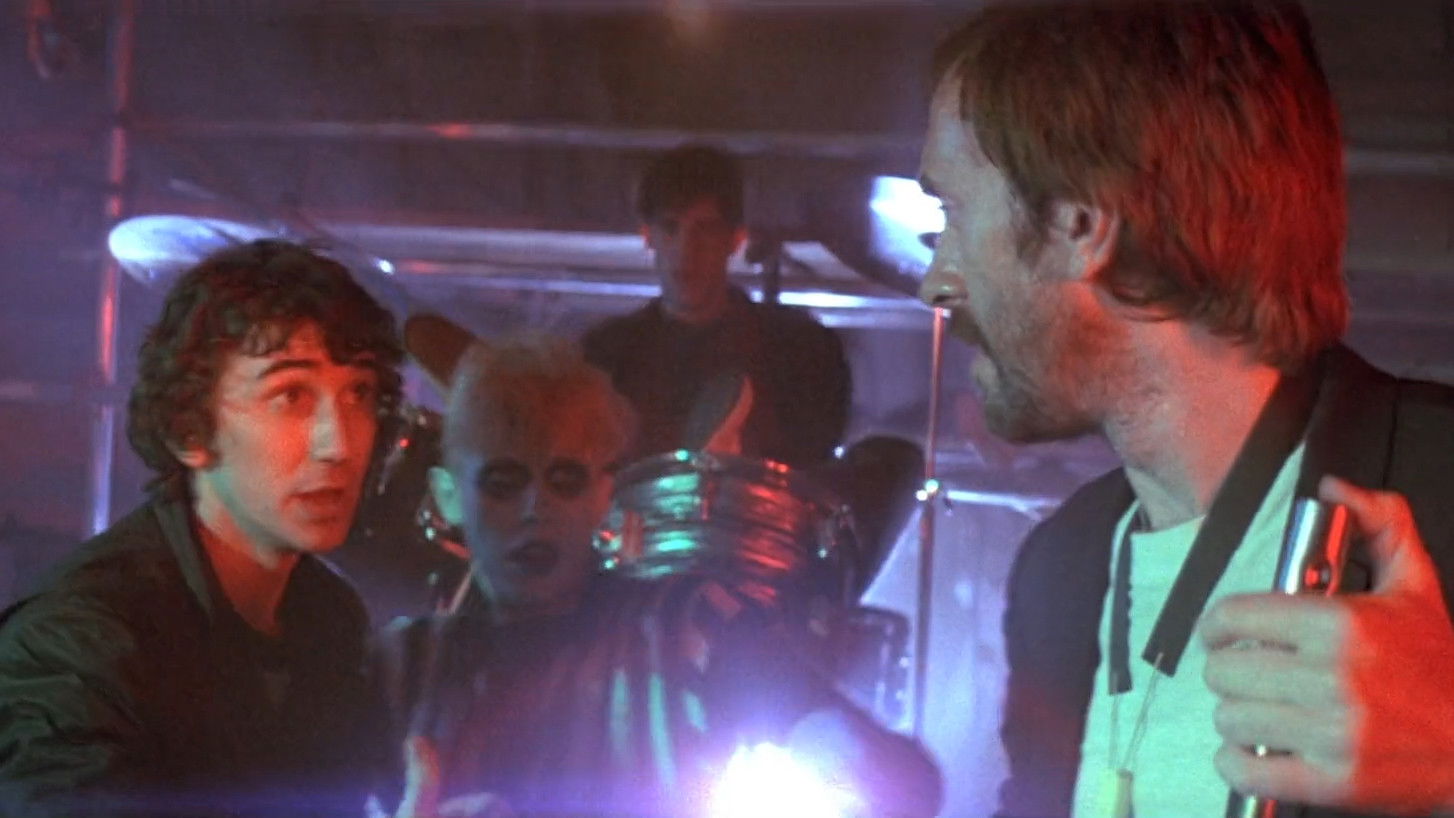
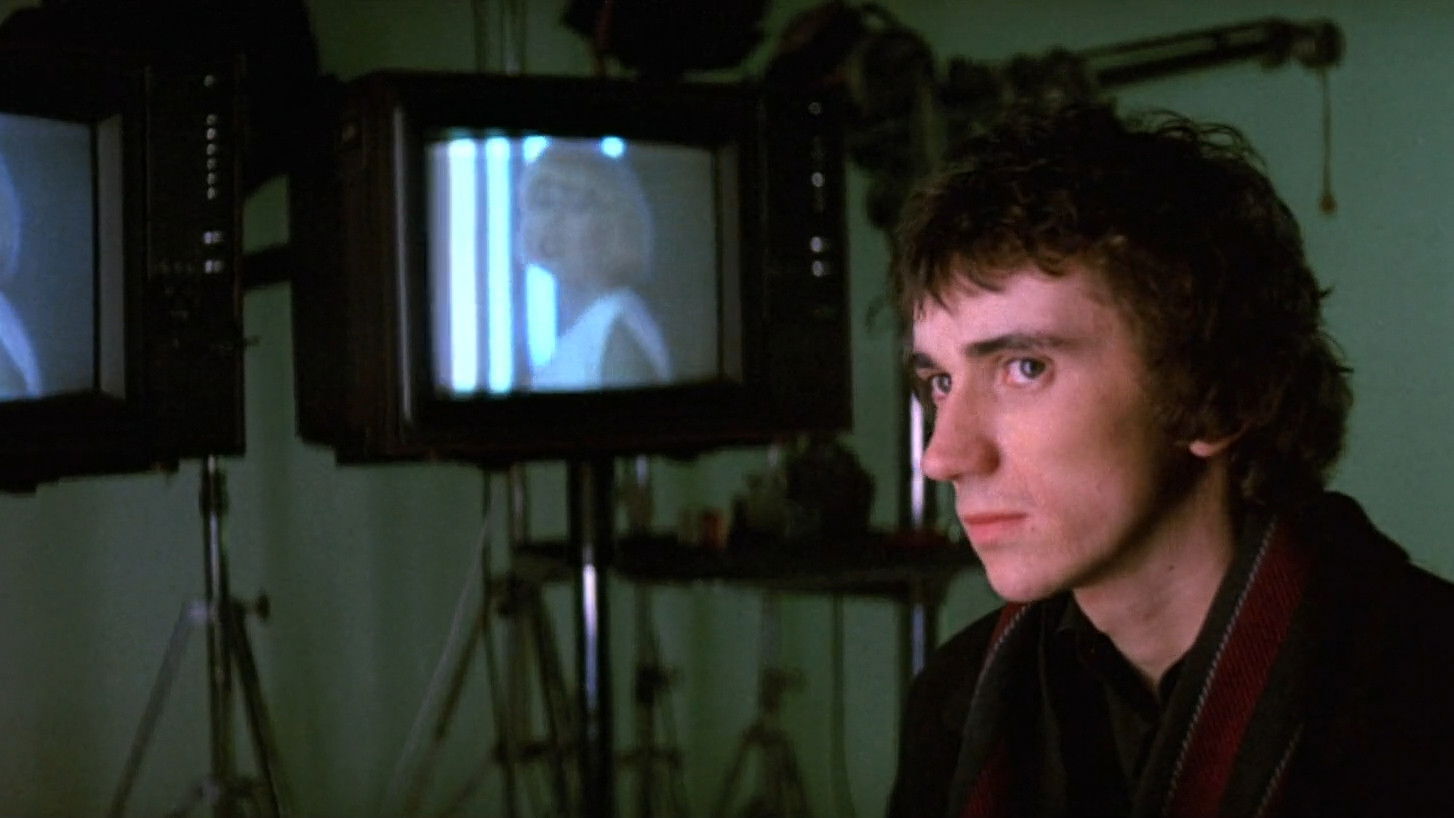
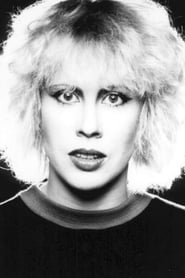
The absolute soul of the film’s audio identity belongs to its star, Hazel O'Connor, who actually wrote and performed all of the original music for the movie. O’Connor’s real-life vocal delivery bridges the gap between the theatrical art-rock of David Bowie and the fierce, jagged punk energy of Lene Lovich or Siouxsie Sioux. Backed by a phenomenal casting choice that includes Phil Daniels (fresh off his iconic role in Quadrophenia) as her aggressive manager and Jonathan Pryce as a mute saxophone player, the music evolves dynamically across the runtime. Early tracks like "Writing on the Wall" and "Give Me an Inch" throb with raw, desperate urban energy, while late-film anthems like "Seventh Day" descend into a dystopian, machine-driven synth nightmare.
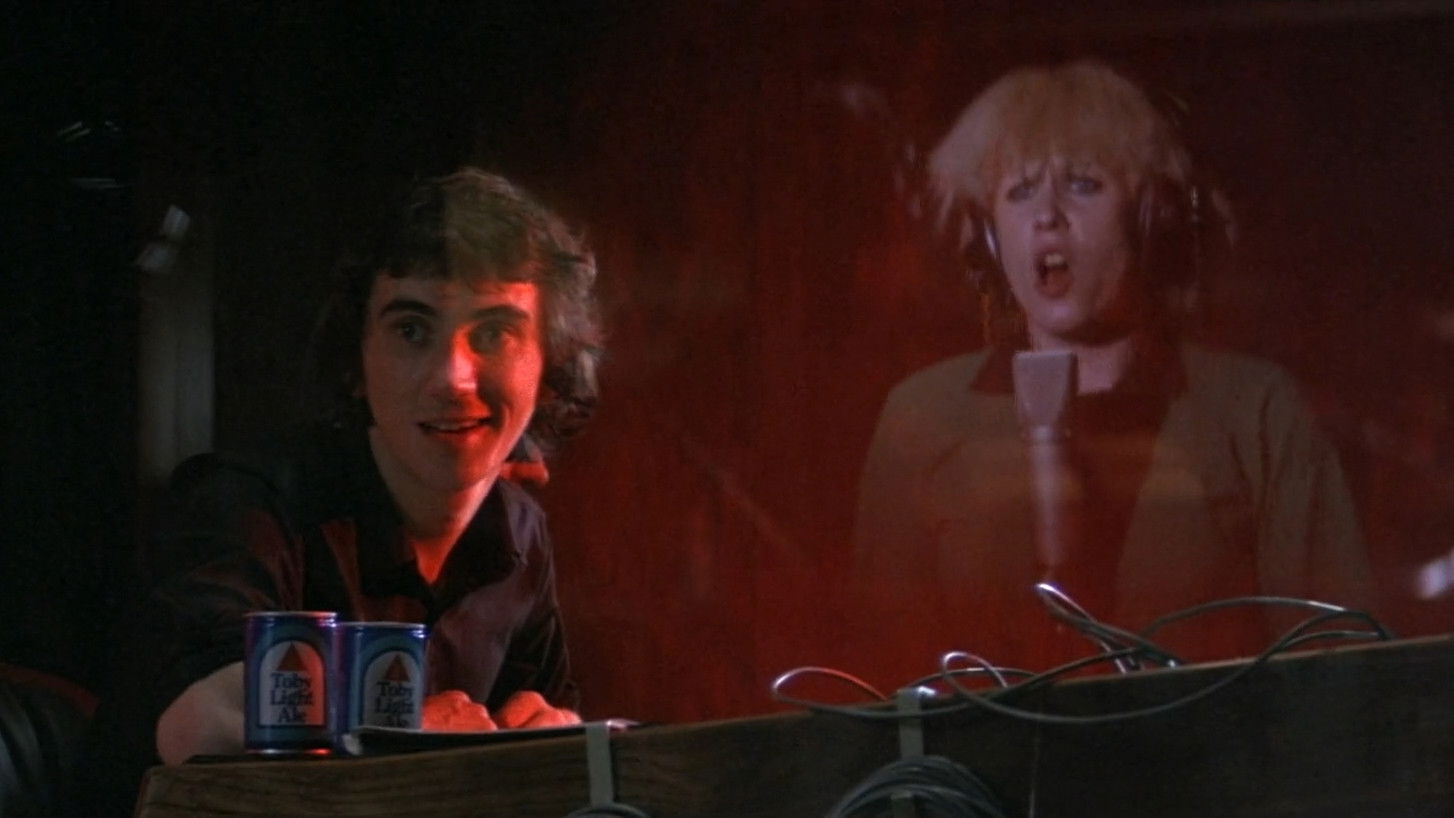
The musical production behind the scenes was steered by legendary producer Tony Visconti, famed for his monumental work with David Bowie, T. Rex, and Thin Lizzy. Visconti took O'Connor's raw arrangements and engineered them to sound increasingly slick, polished, and detached as the film progressed, sonically reinforcing the narrative theme of corporate exploitation. A brilliant bit of punk history is woven into the band’s personnel: while the actors mimed on screen, the actual studio musicians tracking the instruments for the soundtrack included members of post-punk and pub-rock royalty, including guitar work from Neil O'Connor (Hazel's brother) and drumming by seasoned underground veterans.
The official soundtrack LP, released by A&M Records in 1980, was a massive commercial success in the UK, eventually going gold and spawning multiple hit singles. The essential sonic tags for this database entry are British New Wave, Art-Punk, 80s Synth-Pop, Sax-Punk, and Corporate Satire.
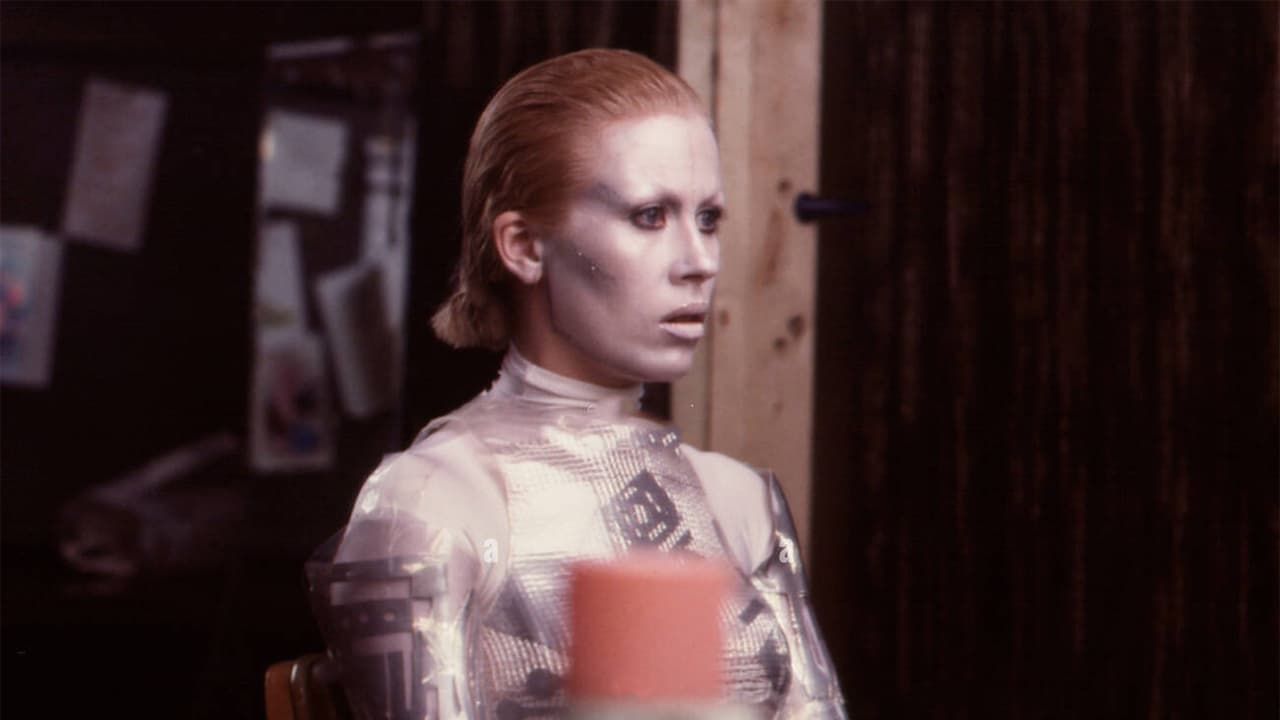
The standout audio scene is the legendary, spine-chilling performance of the hit track "Eighth Day." Dressed in a metallic, robotic costume surrounded by blinding strobe lights and expressionless, synth-playing automatons, Kate sings a terrifyingly prophetic tune about human irrelevance in a machine age. The audio tracking in this sequence is immense, heavily utilizing echo-drenched vocal processing and a relentless, mechanical electronic rhythm that perfectly captures her total alienation from the raw, organic roots of her early punk days.
Trailer
Cast
Hazel O'Connor
Kate
 Phil Daniels
Danny
Phil Daniels
Danny
 Jon Finch
Woods
Jon Finch
Woods
 Jonathan Pryce
Ken
Jonathan Pryce
Ken
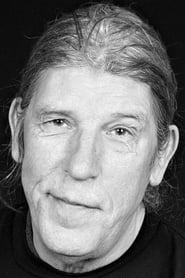 Peter-Hugo Daly
Mick
Peter-Hugo Daly
Mick
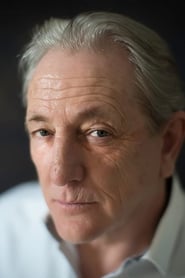 Mark Wingett
Tony
Mark Wingett
Tony
 Gary Tibbs
Dave
Charles Wegner
Campbell
Gary Tibbs
Dave
Charles Wegner
Campbell
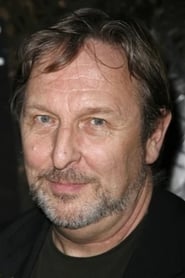 Mark Wing-Davey
Fordyce
Mark Wing-Davey
Fordyce
Media