









Anthony Michael Hall
Johnny Walker
Soundtrack
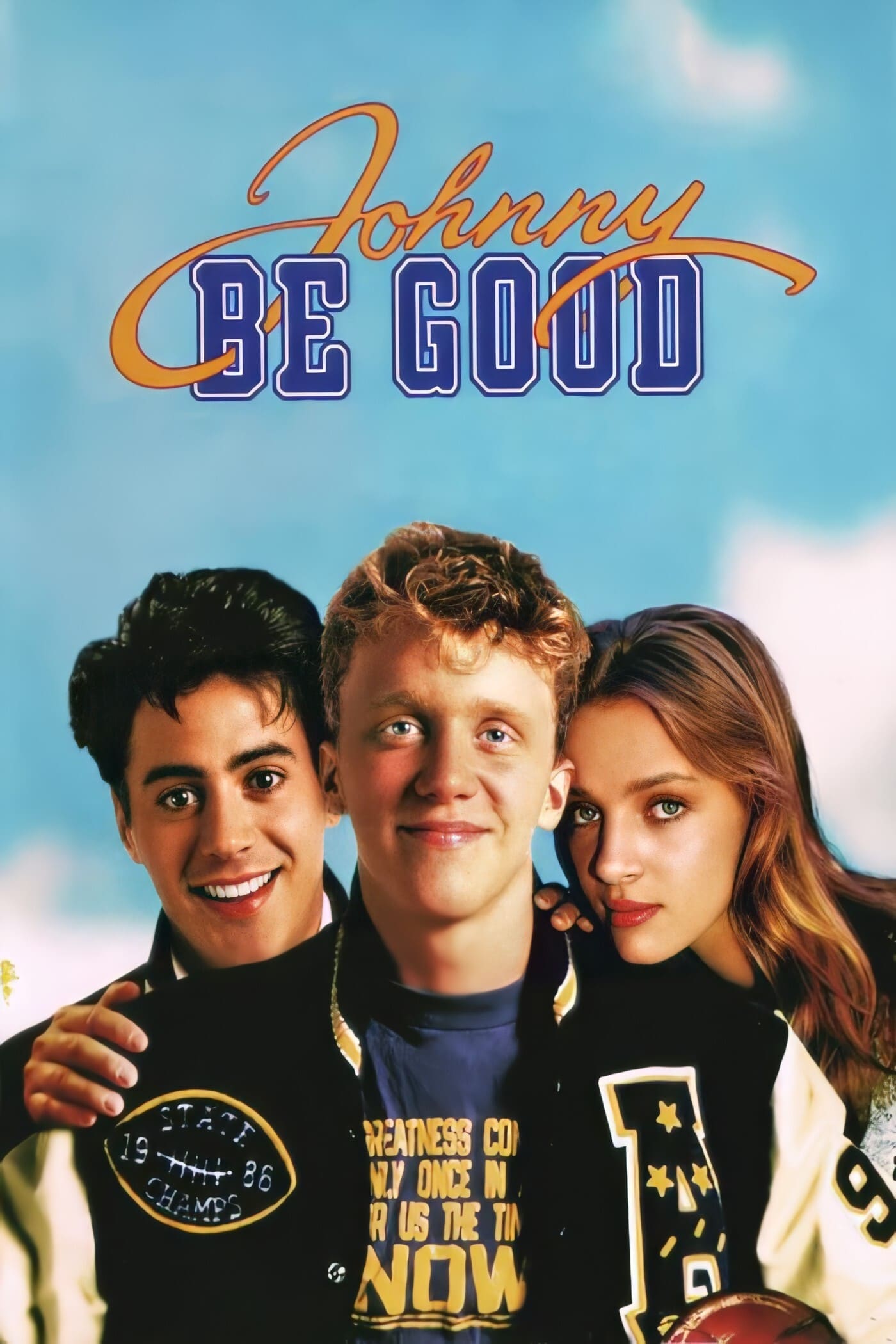
Johnny Be Good
Overview
The Heavy Metal Hail Mary: 1988’s 'Johnny Be Good' and the Judas Priest Collision
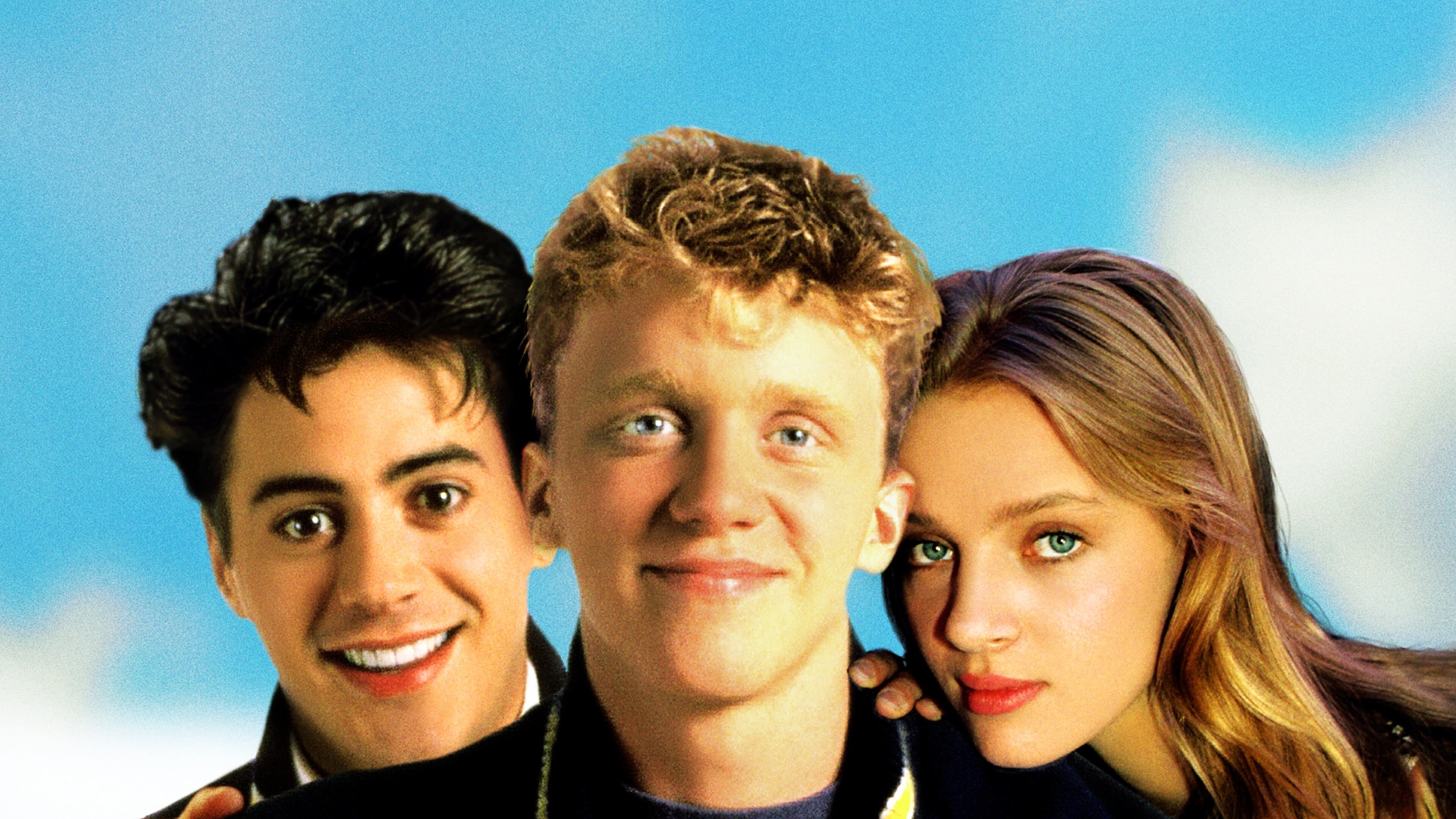
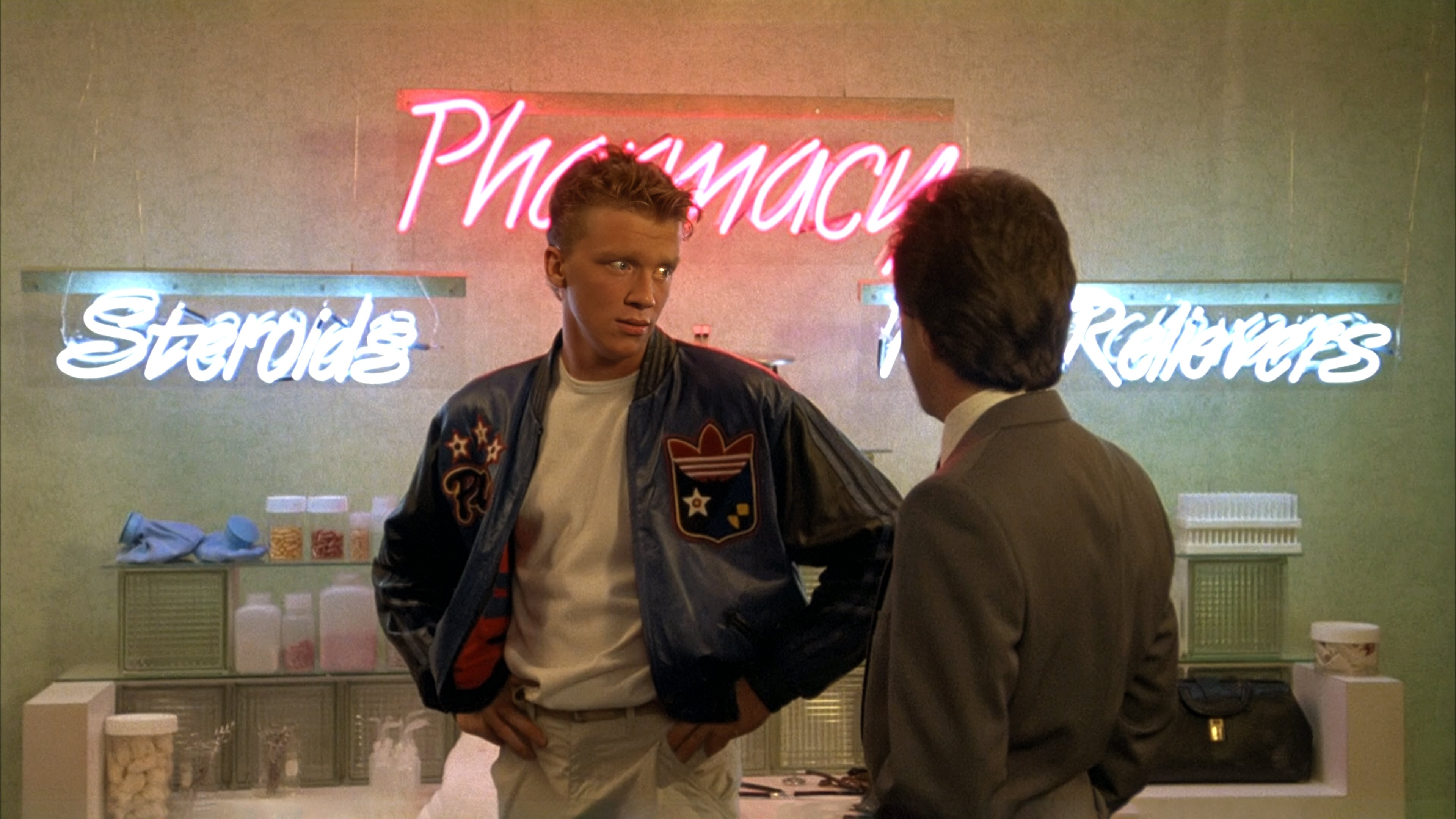
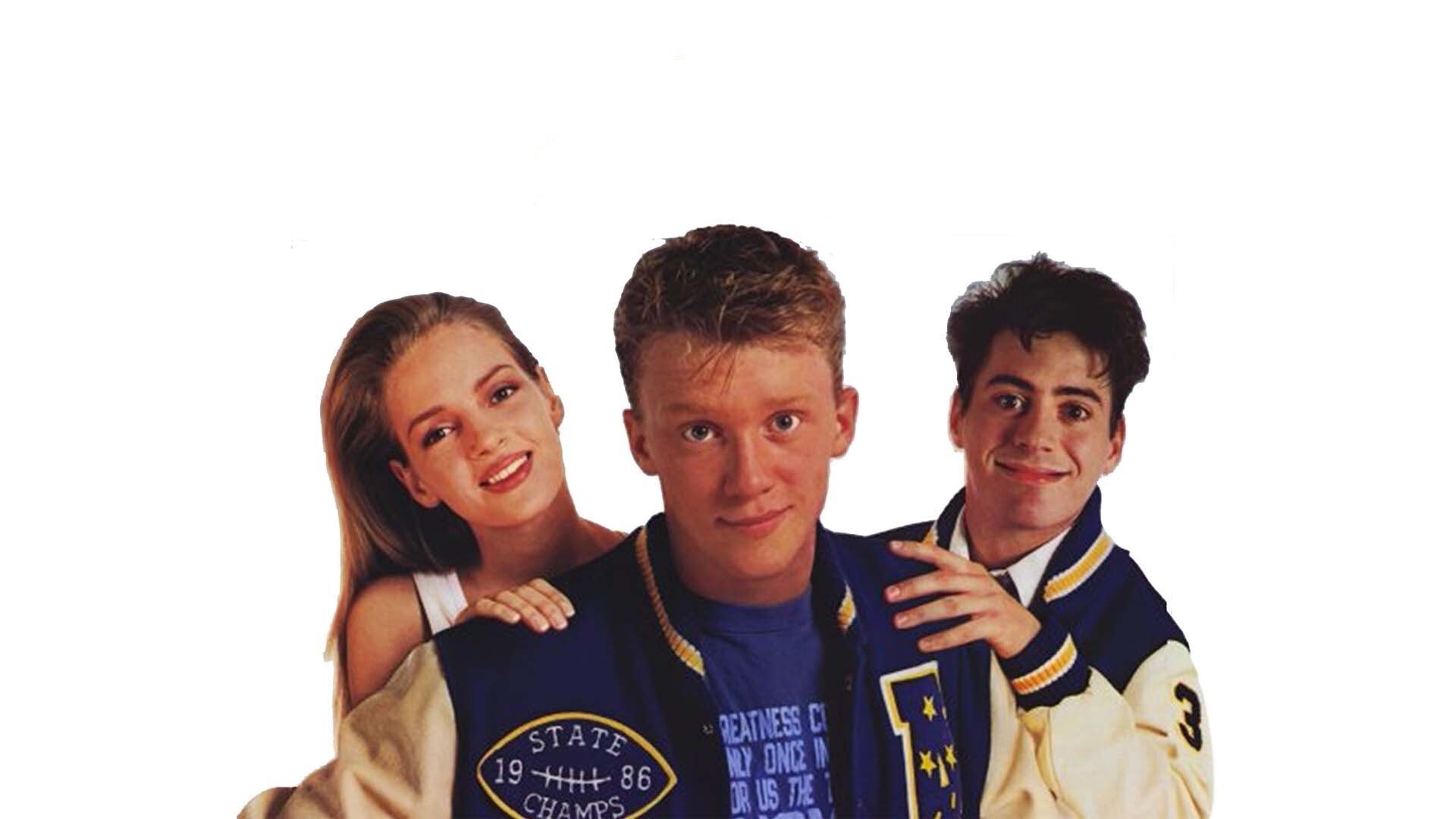
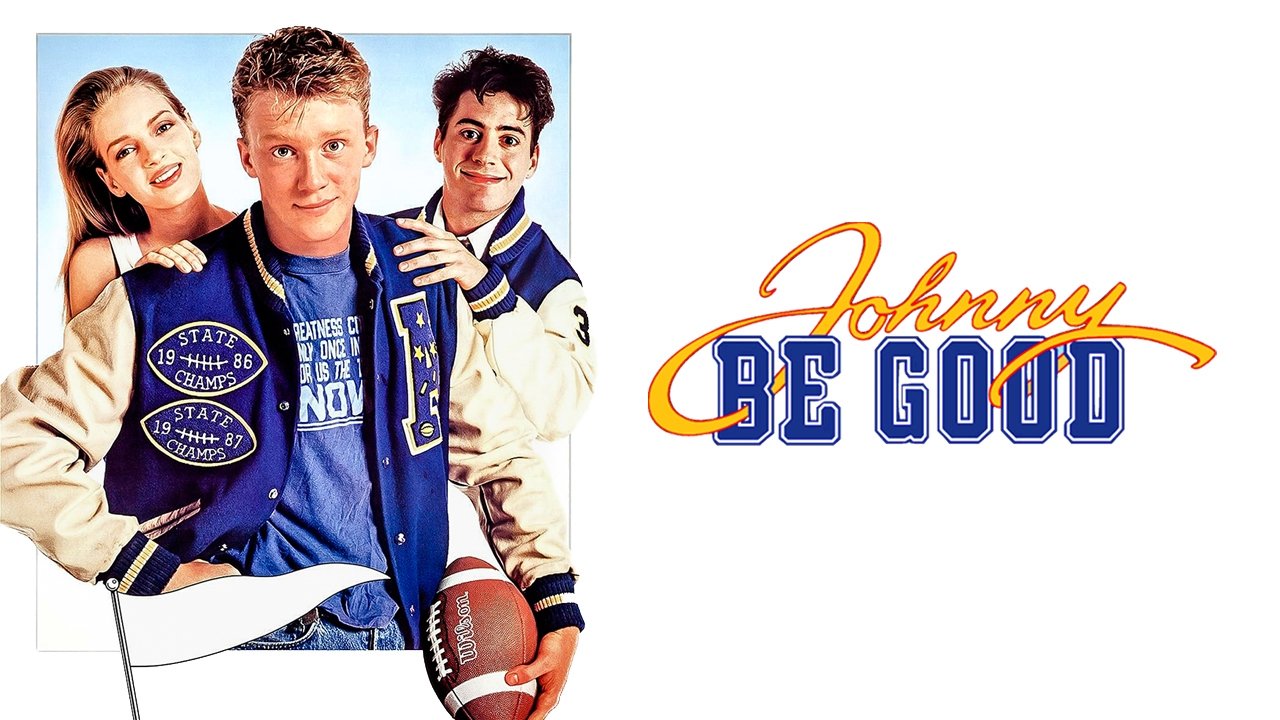
There is a specific brand of late-1980s studio comedy that feels less like a organic piece of cinema and more like a feverish board meeting blueprint brought to life. Case in point: Orion Pictures’ Johnny Be Good (1988). On paper, it was a bulletproof corporate math problem. Take Anthony Michael Hall (fresh off his John Hughes hot streak but eager to shed the "geek" label), pair him with a rapidly rising Robert Downey Jr., add a very young Uma Thurman, throw in cameos from Chicago Bears wild-man Jim McMahon and sportscaster Howard Cosell, and drench the entire thing in a high-octane rock soundtrack.
What audience got instead was a fascinatingly misguided, 0% Rotten Tomatoes-certified cult artifact. But while the film’s narrative about a scrawny high school quarterback getting aggressively—and often illegally—recruited by corrupt college talent scouts fumbles on the field, its sonic identity is a loud, chrome-plated time capsule of the exact moment classic rock and heavy metal met Hollywood's marketing machine.
Chrome, Leather, and Chuck Berry: The Judas Priest Connection
By 1988, Judas Priest was undergoing a sonic transition of their own. Having experimented heavily with guitar synthesizers on 1986's Turbo, the Birmingham metal gods were preparing to unleash Ram It Down. Enter Atlantic Records and the producers of Johnny Be Good, who needed a massive, anthemic title track to tie their sports-comedy marketing campaign together.
The result? Judas Priest covering Chuck Berry’s fundamental rock 'n' roll anthem, "Johnny B. Goode".
"It was chalk and cheese, really... We just set out to write the fastest track ever written."
— Judas Priest on their late-'80s sonic evolution
The Priest rendition is an absolute blast of peak-'80s excess. Glenn Tipton and K.K. Downing turbocharge Berry’s iconic opening riff with blazing, neon-hued metal shredding, while Rob Halford pushes his trademark, air-raid siren vocals to the absolute limit. It shouldn't work—and purists at the time certainly scoffed—but as an artifact of pure, unadulterated high-fructose metal, it is glorious.
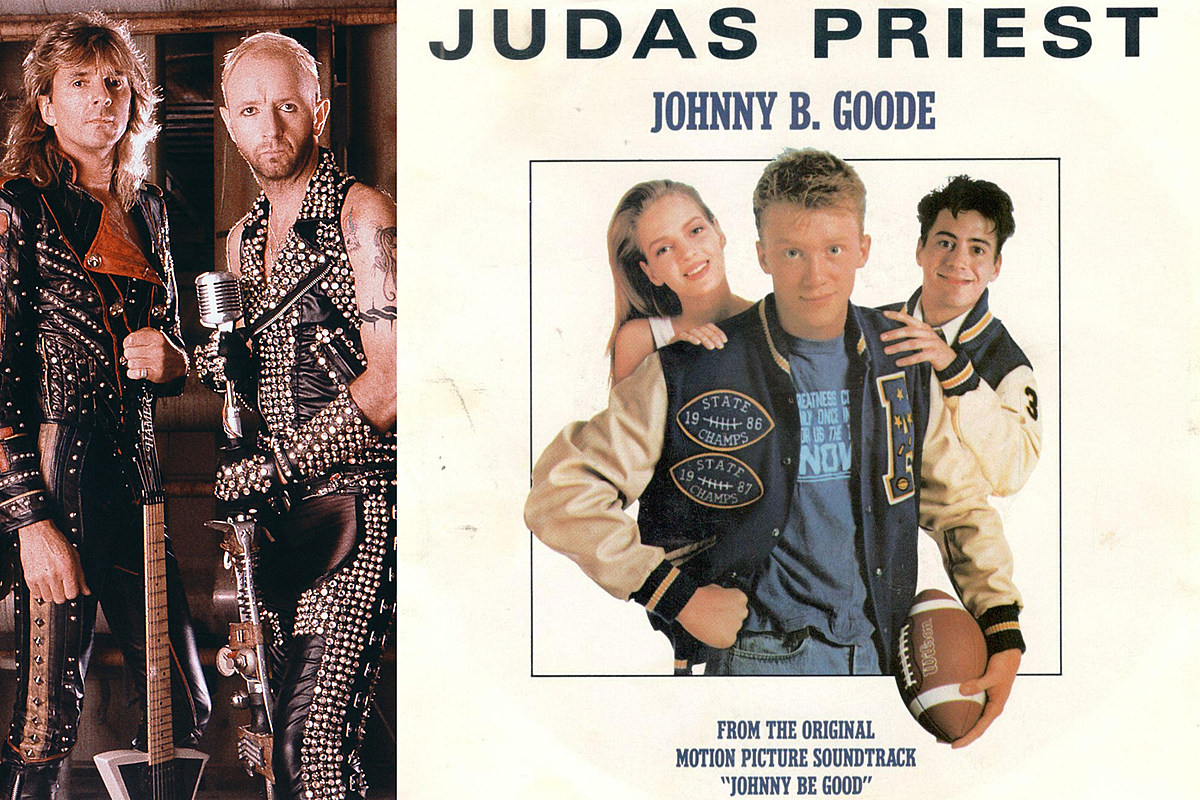
The track was released as the lead single for the film's soundtrack, complete with a rare promo 7" single featuring a picture sleeve of the band that collectors still hunt for on Discogs. The music video featured the band playing on a stage surrounded by football imagery, perfectly bridging the gap between stadium metal and stadium sports. While the track ultimately found a home on the Ram It Down tracklist, its true spiritual home is right alongside the closing credits of this film.
Breaking Down the Soundtrack: Crate-Digging the Sleaze and Glam
If you look past the star-studded main single, the official Johnny Be Good soundtrack album (released via Atlantic) is a beautifully curated snapshot of late-80s hard rock, pop-metal, and arena sleaze. It completely bypasses the safe pop of the era in favor of something with a bit more grit.
Why It Endures as a Cult Artifact
So, how does a movie starring the ultimate '80s brat pack royalty end up as a forgotten relic?
Mainly because the film didn't quite know what it wanted to be. Anthony Michael Hall spends the movie looking deeply uncomfortable trying to convince the audience he's an elite athletic prospect, while Robert Downey Jr. wanders through scenes as his eccentric best friend Leo Wiggins, seemingly improvising his way out of a completely different movie. It's a film made of bizarre pieces that don't fit: an anti-corruption message that is completely undermined by ninety minutes of glorifying the exact sleaze it tries to criticize, interspersed with Paul Gleason channeling his inner Breakfast Club anger.
Yet, for fans of cult cinema, that structural chaos is exactly the appeal. Johnny Be Good belongs to that specific pantheon of studio-funded weirdness where the soundtrack budget felt larger than the script budget. It stands as a monument to a time when you could get Rob Halford to sing a 1950s rockabilly track over a football montage—and for that reason alone, it deserves a spot on your shelf next to Dudes and The Wild Life.