







 Tom Hulce
C.C. Drood
Tom Hulce
C.C. Drood
Soundtrack
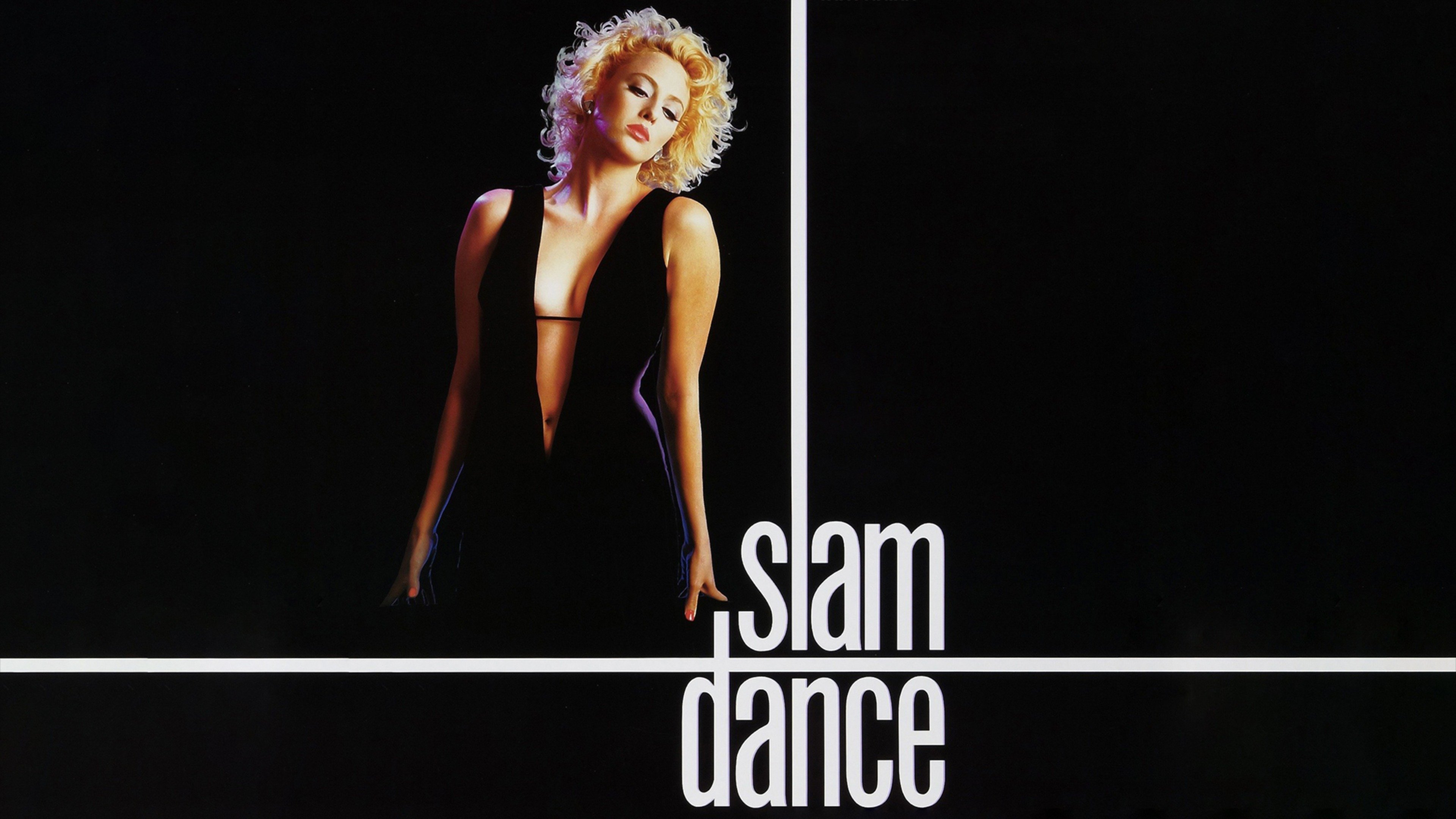
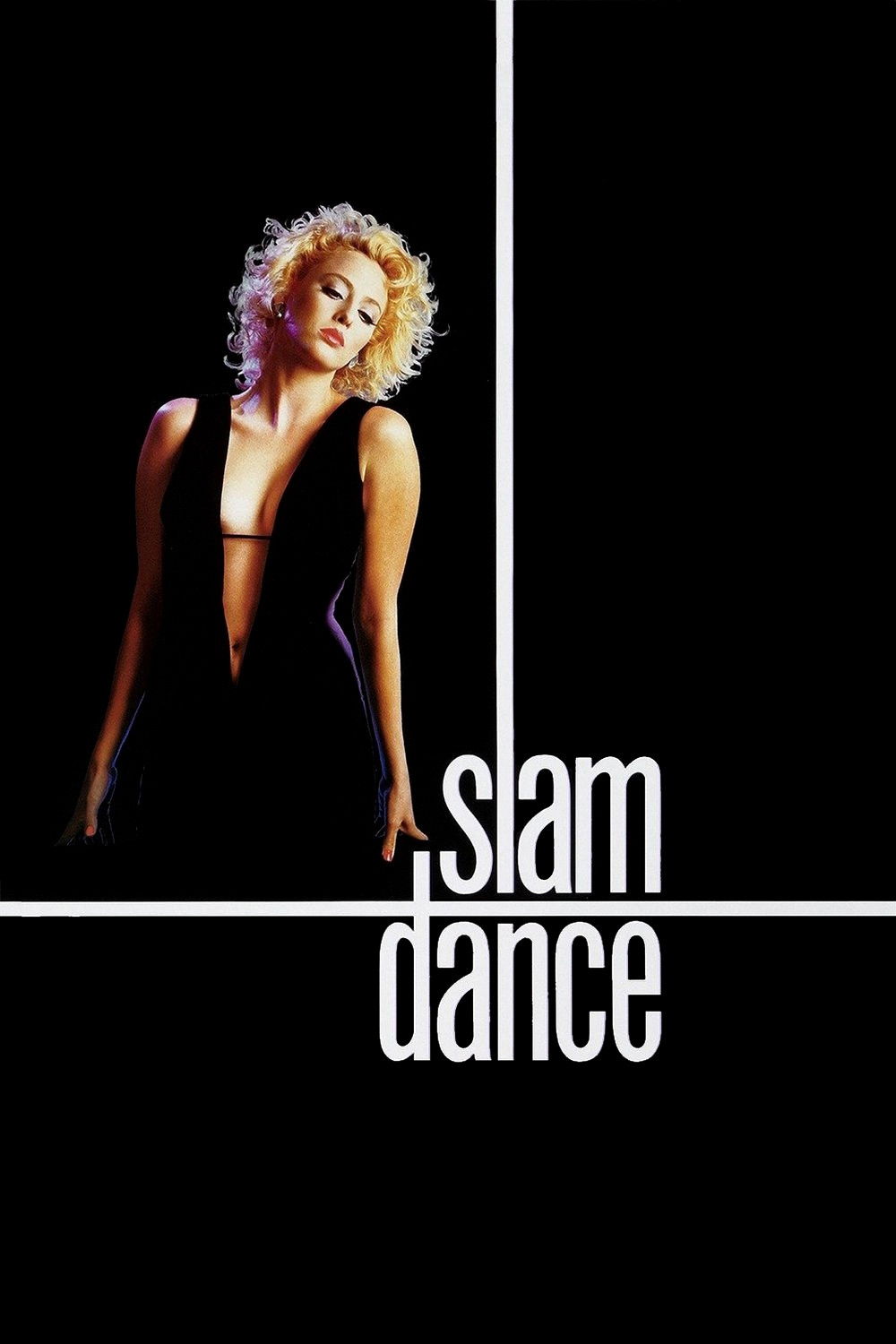
Slam Dance
Director
Writers
Overview
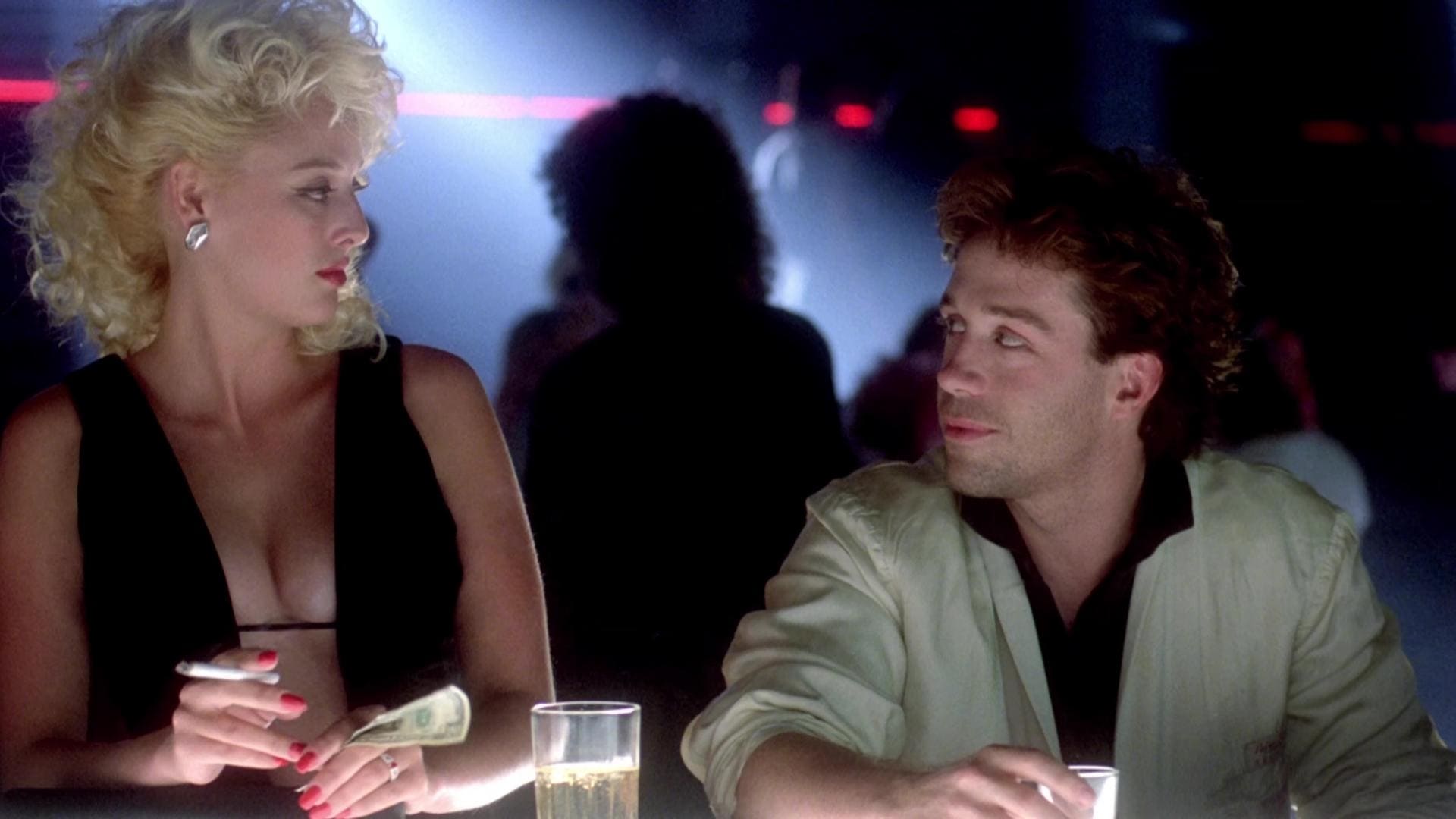
Wayne Wang’s Slam Dance is a striking example of an 80s movie whose title intentionally misdirects the audience. Instead of a loud, distortion-heavy hardcore punk soundtrack, the film delivers a slick, highly intellectual, and thoroughly art-school new wave sonic identity. The narrative follows C.C. Drood, a chaotic underground cartoonist who accidentally finds himself framed for a high-society murder in Los Angeles. Sonically, the film plays out like a hazy, late-night walk through the post-punk gallery scene of downtown L.A. The audio design mirrors Drood's increasingly paranoid state, swapping standard Hollywood thriller beats for off-kilter rhythms, atmospheric synthesizer echoes, and sudden bursts of eccentric avant-garde pop.
The Mitchell Froom Architecture and Collaborations
The entire musical identity of the film belongs to composer and producer Mitchell Froom, who was rapidly cementing his status as one of the most vital alternative music producers of the era. Froom constructed the soundtrack around detuned keyboard textures, syncopated drum programming, and jarring melodic structures. Rather than relying on standard pop hits, the vocal tracks on the album are deeply specific, moody collaborations. The crown jewel of the tracklist is "Bing Can't Walk," a collaboration featuring the signature detached, deadpan vocals, guitar, and harmonica work of Wall of Voodoo frontman Stan Ridgway. The film also leans heavily into genuine L.A. art-punk royalty by featuring the track "Art Life" by the legendary avant-garde underground band The Fibonaccis, anchoring the film's artistic themes in real-world subcultural credibility.
Recorded and mixed by legendary engineer Tchad Blake at the Sound Factory, the score is an absolute masterclass in late-80s independent studio experimentation. Froom gathered an incredible roster of musicians to flesh out his instrumental compositions. The beautifully eerie track "A Prayer For Miss Velveteen" features prominent bass work from veteran player Jerry Scheff, percussionist Alex Acuña, drumming by session legend Jim Keltner, and distinctive guitar lines from folk-rock pioneer Richard Thompson. To add further subcultural weight to the soundscape, the film includes the jazz-inflected track "M63," written and produced by John Lurie of The Lounge Lizards. On screen, this underground pedigree is visually reinforced by cameos from L.A. punk icon John Doe (of X) and new wave superstar Adam Ant, ensuring the film's atmosphere feels completely native to the alternative scene.
The official soundtrack for Slam Dance was released on vinyl, cassette, and CD by Island Records in 1987. It remains a highly collectible release for fans of the late-80s L.A. alternative scene, specifically sought out for the exclusive Stan Ridgway and Fibonaccis tracks.
The absolute standout audio scene occurs during the neon-lit club sequences where Froom’s erratic, syncopated rhythms and the haunting, left-of-the-dial vocal tracks pulsate through the house PA. The music is mixed to compete directly with the conspiratorial whispers of the characters, creating a dense, deeply atmospheric sonic landscape that perfectly defines Wayne Wang's vision of a stylish, paranoid Los Angeles underground.
Trailer
Cast
Tom Hulce
C.C. Drood
 Mary Elizabeth Mastrantonio
Helen Drood
Mary Elizabeth Mastrantonio
Helen Drood
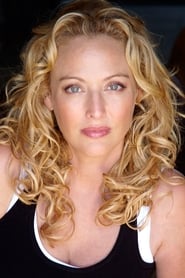 Virginia Madsen
Yolanda Caldwell
Virginia Madsen
Yolanda Caldwell
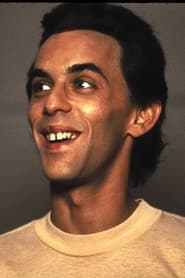 Don Keith Opper
Buddy
Don Keith Opper
Buddy
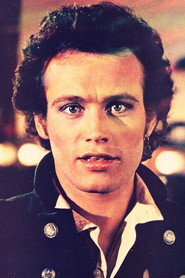 Adam Ant
Jim Campbell
Adam Ant
Jim Campbell
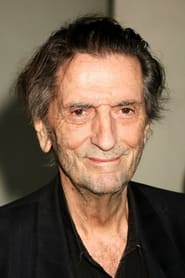 Harry Dean Stanton
Det. Benjamin Smiley
Harry Dean Stanton
Det. Benjamin Smiley
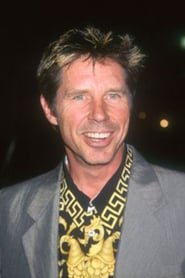 John Doe
Det. John Gilbert
John Doe
Det. John Gilbert
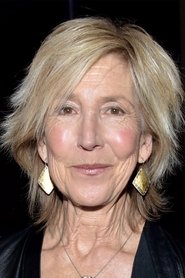 Lin Shaye
Librarian
Lin Shaye
Librarian
 Millie Perkins
Bobby Nye
Millie Perkins
Bobby Nye
Media